
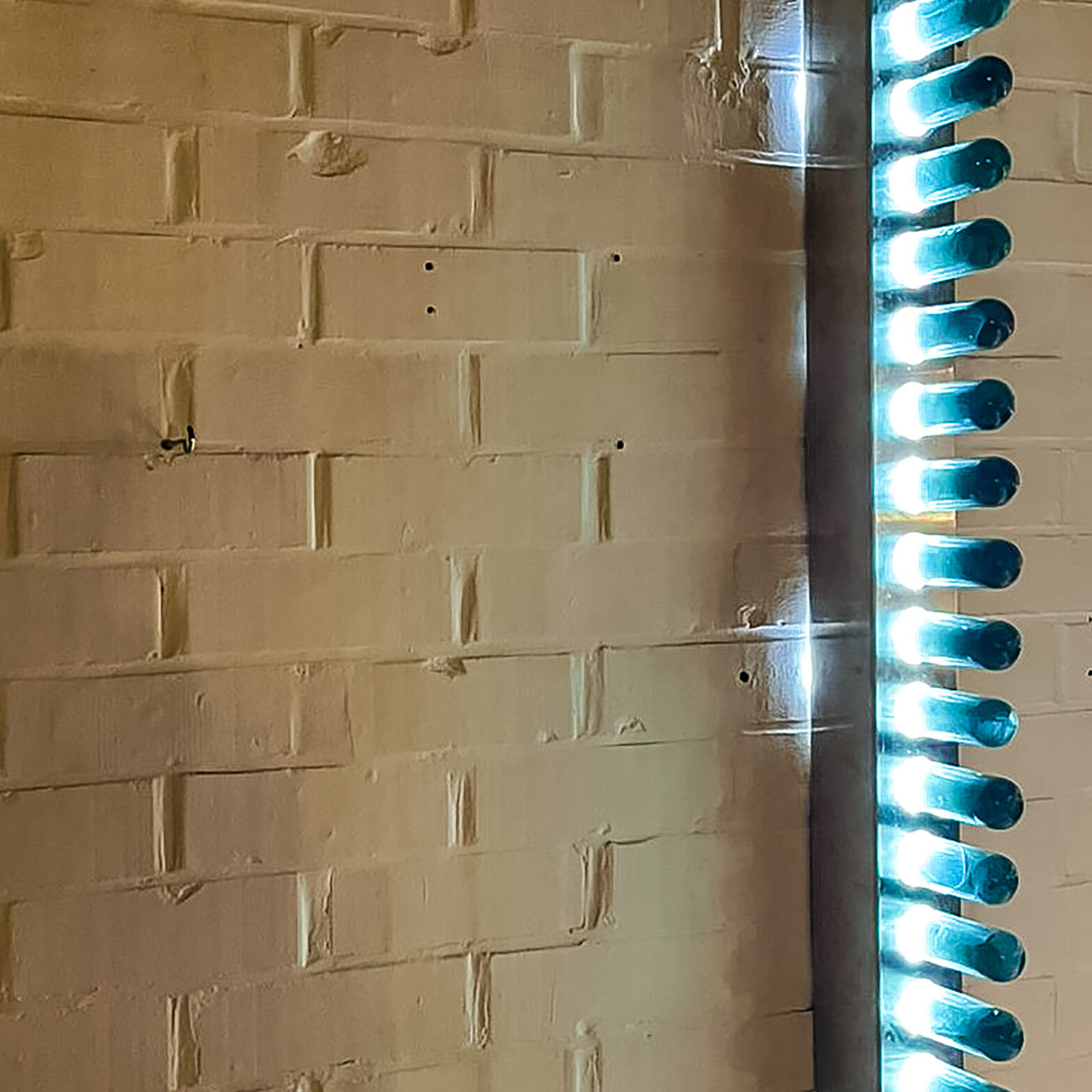
Join the Artist, Gregory Alliss, for a Guided Lunchtime Tour of Between Glass and Magnetic Fields exhibition.
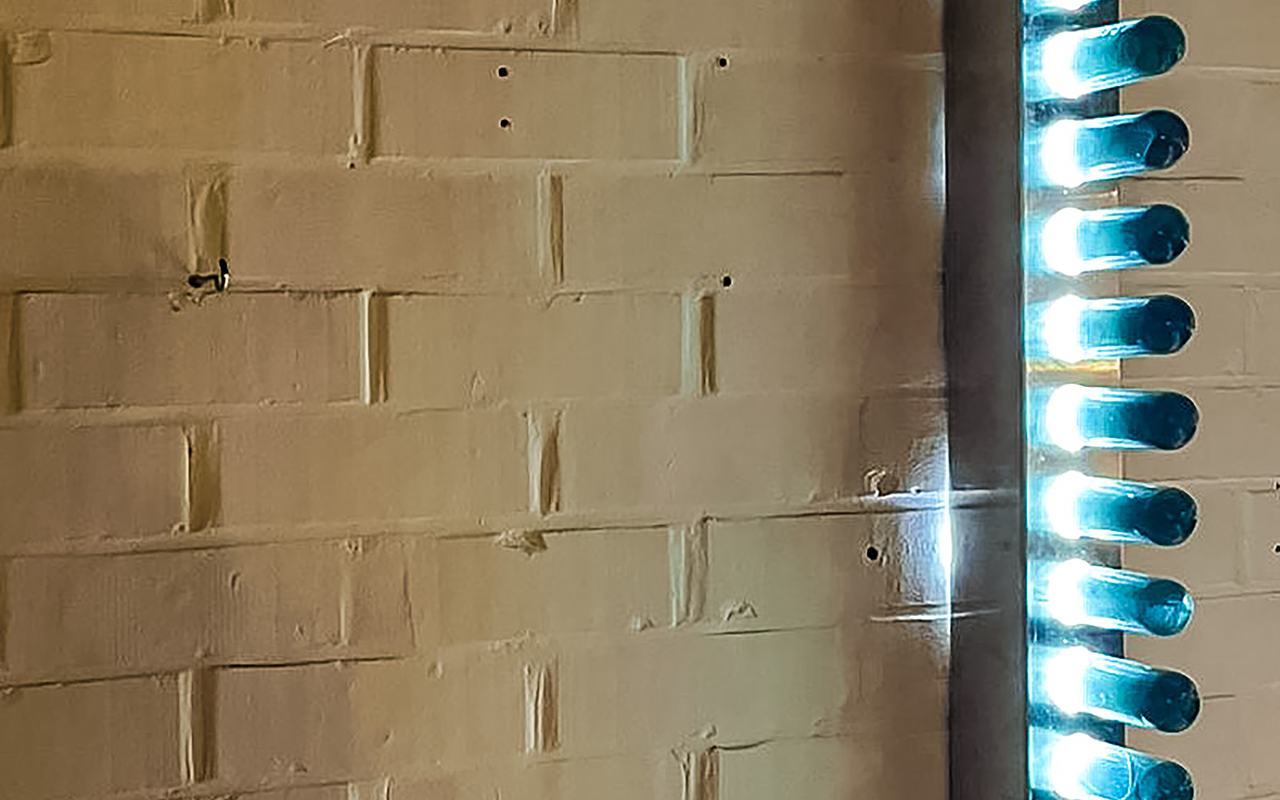
Between Glass and Magnetic Fields
An exhibition translating the intangible dynamics of MRI technology into Glass
Guided Lunchtime Tour
Join the Artist, Gregory Alliss, for a Guided Lunchtime Tour of Between Glass and Magnetic Fields, an exhibition emerging from his time as Creator in Residence for STEAM Imaging VI: Resonant Connections through Design and Data, at the Fraunhofer MEVIS Institute for Digital Medicine, jointly hosted with the Institute for Design Informatics.
This is a one-off chance to explore the exhibition and hear directly from Alliss about the inspiration and process how Gregory Alliss transforms magnetic resonance data into sculptural glass forms on show. Don’t miss this opportunity to pop along to experience Alliss’ glass sculptures, and six-screen immersive projections on Inspace City Screens, intertwining glass art and MRI scanning videos and hear more about the themes and topics it invites you to explore.
Find more information on the Inspace website or Frauenhofer MEVIS website
Date: Thurs 23 April, 2026
Times: 13:00-14:00 (1hr) | Free/Ticketed
Location: Inspace, 1 Crichton St, Edinburgh, EH8 9AB
Audience: General public
Venue Access features: Accessible toilets, Assistance dogs welcome, Baby changing facilities, Seating, Step-free access, Wheelchair accessible
This event has limited capacity and so registration is preferred. Drop-ins are welcome, but participants with tickets are guaranteed entry. If you have any enquiries about the events and venues, please email event organisers at designinformatics@ed.ac.uk
Please note this event will be photographed by Design Informatics – Photographs will be used for future marketing, promotional, reporting and archival purposes. If you would prefer not to be photographed, please let us know at the event.
STEAM Imaging VI, is hosted by Fraunhofer MEVIS, Germany, in collaboration with the Institute for Design Informatics, University of Edinburgh, United Kingdom, creates a unique opportunity to explore the potential for application of creative multi- and transdisciplinary approaches in digital medicine. The collaboration involves the International Fraunhofer Talent School Bremen and the Oberschule am Waller Ring in Bremen, supported by Ars Electronica, Austria.
About the Artist
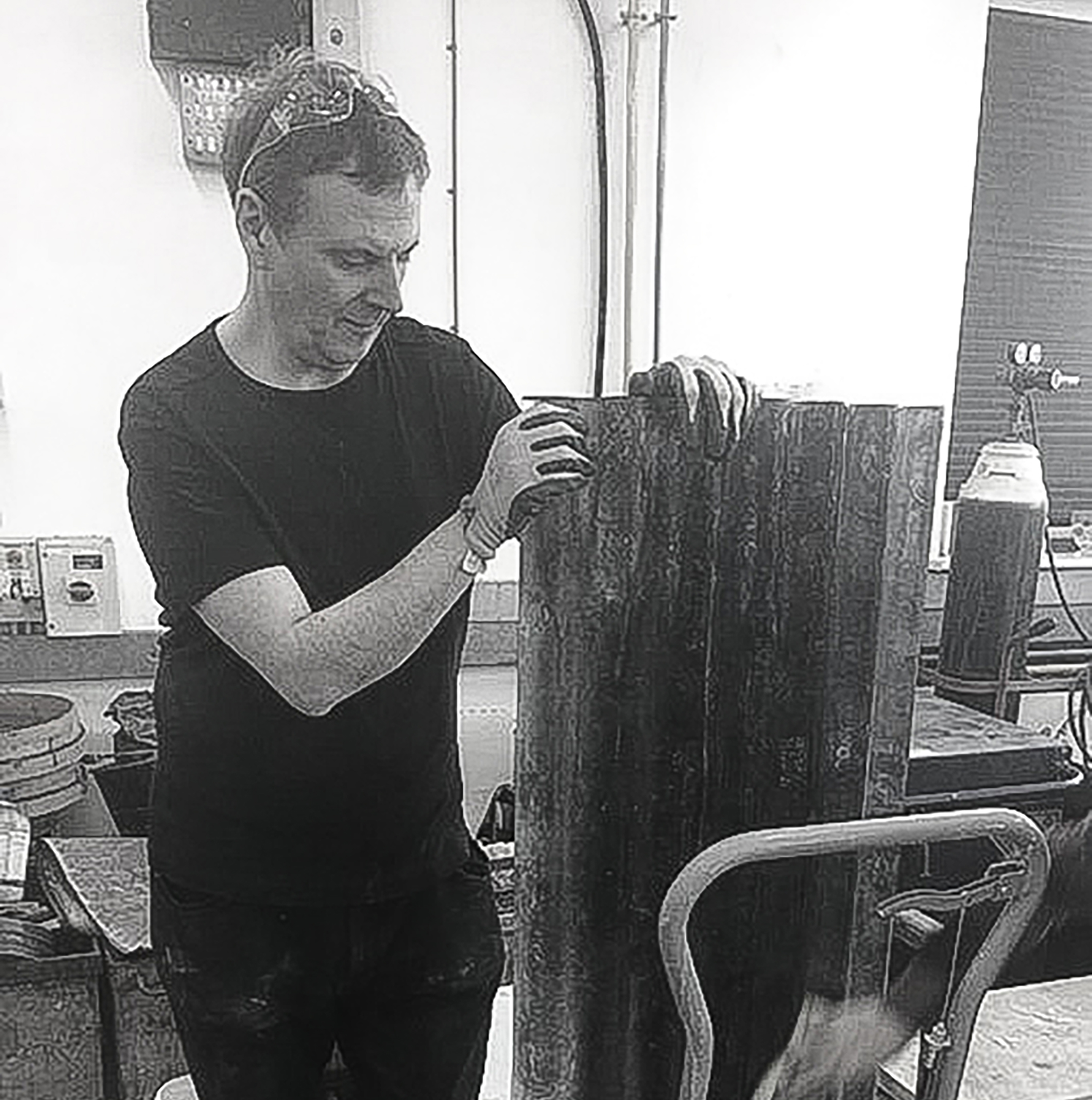
Gregory Alliss is an Artist and engineer, with an artistic practice in glass sculpture, specialising in kiln casting and cold working techniques using optical and recycled glass. He is currently undertaking a PhD at the Edinburgh College of Art (ECA), having previously gained an MFA in Glass also at the ECA. The PhD is practice based, looking aspects sustainability in the context of glass art studio practice. His recent artistic practice has been heavily focused on using recycled glass from Cathode Ray Tubes (CRTs) from old-style televisions. His current work has expanded on this to investigate the production of glass art made from highly contaminated waste glass that is not traditionally used by glass artists. Experimenting with these contaminated glasses has blurred the boundaries between his creative and engineering worlds. His previous artistic practice has also drawn on his background in science and engineering using techniques including, 3D printing, data visualization and immersive spaces. These toolsets have been used both within the development of his glass sculptures and as ways to present his work in the digital and interactive spaces. His work has been exhibited in UK, Spain, Austria, and Ireland, and has been published in journals and catalogues. His work also is in private collections in the UK.
About Frauenhofer MEVIS
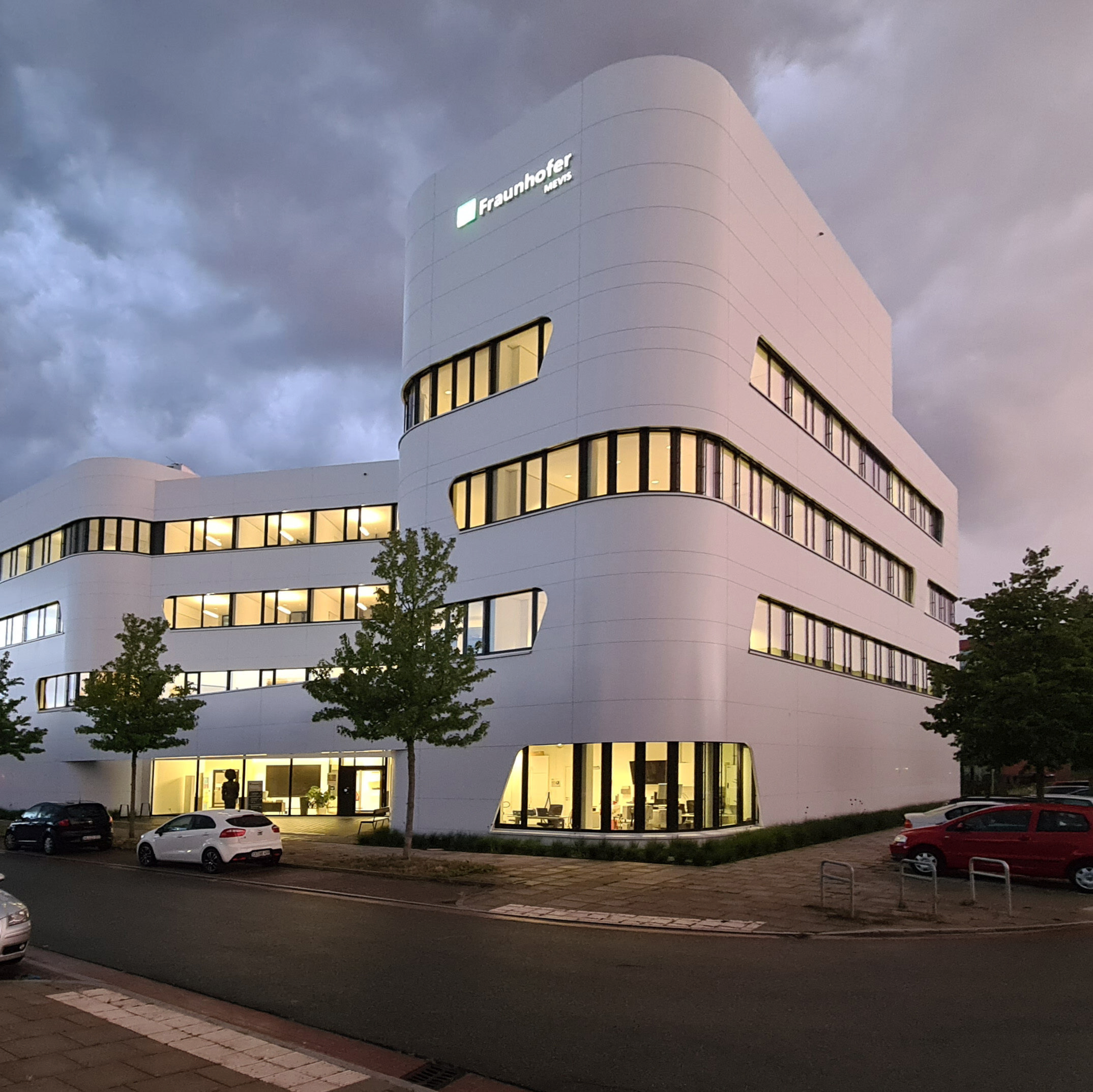
Fraunhofer MEVIS, lead and host of the STEAM Imaging residence programme, develops real-world software solutions for image and data-supported early detection, diagnosis, and therapy. Strong focus is placed on cancer, as well as diseases of the circulatory system, brain, breast, liver, and lungs. The goal is to detect diseases earlier and more reliably, tailor treatments to each individual, and make therapeutic success more measurable. To reach its goals, Fraunhofer MEVIS works closely with medical technology and pharmaceutical companies, providing solutions for the entire chain of development, from applied research to product-ready medical products. Fraunhofer MEVIS, a part of the Fraunhofer Society, has a network of national and international partners from the fields of academia, industry, clinics, and the public sector. The Institute’s scientists are committed to raising awareness about how digital medicine and related STEM sciences influence healthcare. Besides their primary mission, they develop experiential projects at the intersection of science, art, and technology to stimulate critical dialog of new technologies, reach new audiences, and foster a diverse R&D landscape.
Data Protection Statement
How we use and store your data – In providing this information, you are giving explicit consent for us to use your data in our programme and event monitoring, reporting and evaluation processes. The data is managed confidentially. Your data will be collected and held by the Institute for Design Informatics, University of Edinburgh (who operate Inspace), it will also be shared with event partners and organisations for this programme (e.g. Frauenhofer MEVIS). Your data will only be reported or published in anonymous aggregated forms and will always be processed in accordance with the Data Protection Act 2018 and therefore also in accordance with the General Data Protection Regulation (GDPR).
Data retention period – We will hold this information for a maximum period of 5 years from the date of the programme, after which it will be disposed of. Please read the University’s privacy and Data Protection notice for further information. You can also view the Frauenhofer MEVIS privacy policy here.
Opt out – If you do not wish to share your information, or would like to modify your consent to collection and processing of personal information, please email us at designinformatics@ed.ac.uk
Supported by