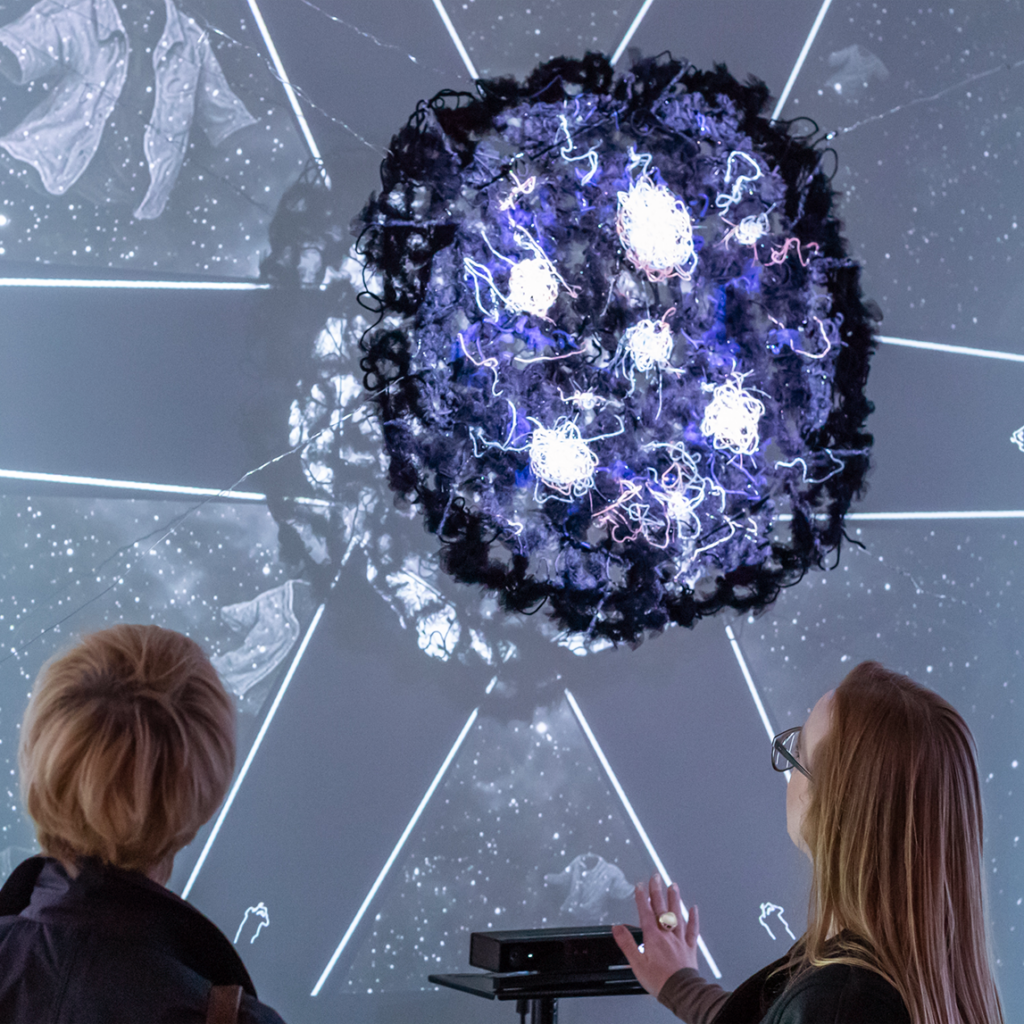
Join Masters students from the Institute for Design Informatics at the University of Edinburgh and explore global interactions with data, technology and people.
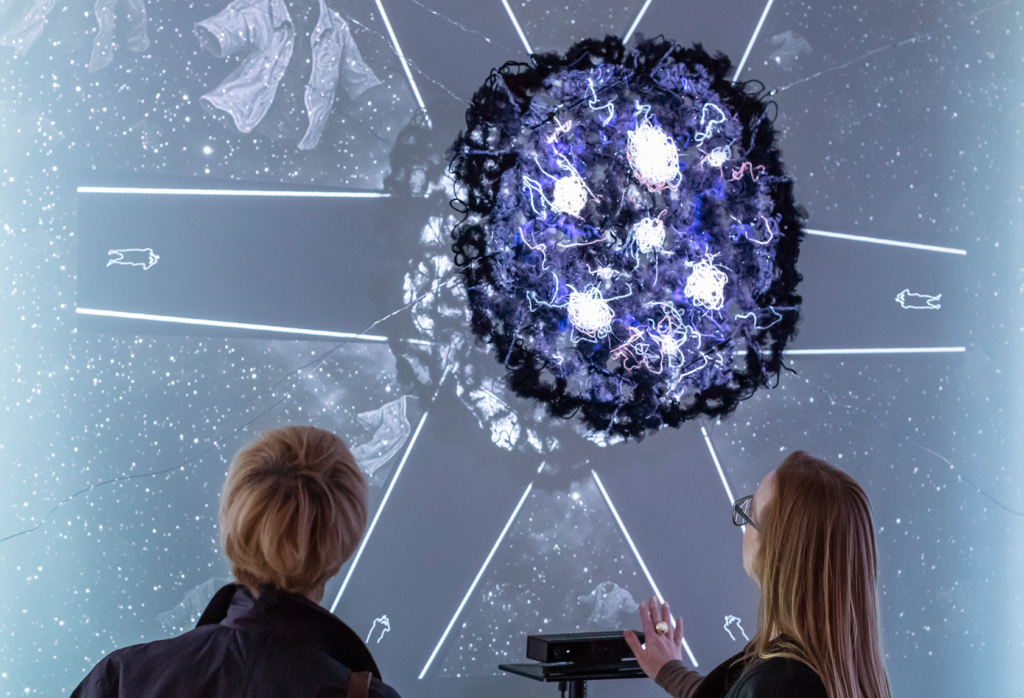
Join Masters students from the Institute for Design Informatics at the University of Edinburgh and explore global interactions with data, technology and people. The exhibition will explore the human (and beyond human) challenges of global technologies in the world, and how data might be used as material to engage, connect or critique current and future issues.
Students have designed a series of creative responses investigating global and societal challenges by designing with environmental, community, bodily and global data. They are creating a space where experiential embodied interactions provoke global thinking and connect human experiences, where design fiction meets current issues, and where the digital, virtual and artificial merge to prompt new approaches to complex global landscapes. Visitors can expect to explore societal challenges through embodied, virtual and playful interactions.
This is an interactive exhibition which represents circa 80 students’ work from the MSc and MA Design Informatics at the University of Edinburgh.
This event is drop-in, no registration required. If you have any enquiries about the event or venue, please contact event organisers at designinformatics@ed.ac.uk
Design Informatics MA and MSc programmes focus on providing foundational skills on the integration of design thinking and data science with an emphasis on exploring the role of data-driven technologies in society and the potential of such technologies to be a social good. Students are supported to develop an ethically aware, critically reflective technical practice at the interface between data and society by combining theory and research with an open-ended process of making and hacking.
About Inspace
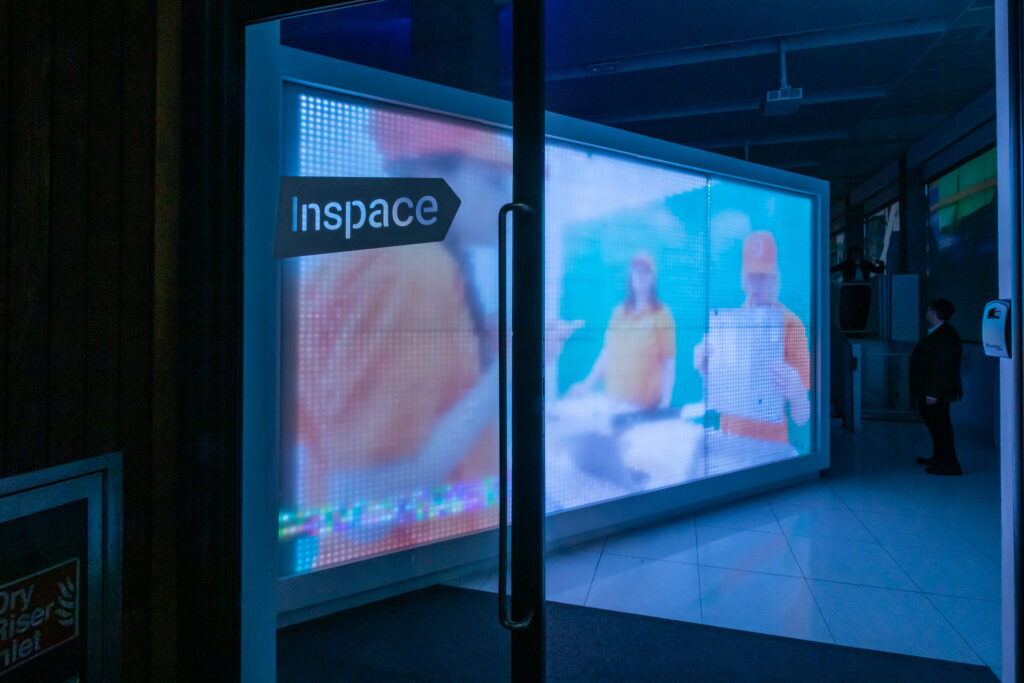
Inspace is part of the Institute for Design Informatics and is a collaborative hub, commissioning and producing creative activity. Our public programme connects data, research and creative talent. We host events and exhibitions where people can explore, learn, debate and create. Our programme unlocks digital technologies, tools and data and explores their role in society through a creative lens. We are home to Inspace City Screens, a unique seven screen street front projection space visible from Potterrow in Edinburgh.
Fraunhofer MEVIS STEAM Imaging Residency Culminates in Interactive Exhibition at Edinburgh Science Festival
How can complex physical processes be made visible and tangible? It was this question that British glass artist Gregory Alliss explored last November during the art residency “STEAM Imaging VI.” The residency, hosted by Fraunhofer Institute for Digital Medicine MEVIS in collaboration with the Institute for Design Informatics at the University of Edinburgh, took place at the research institute in Bremen—providing Alliss with the opportunity to integrate science and art in a truly unique way.
Together with researchers, he developed new formats for communicating magnetic resonance imaging (MRI)—including a STEAM workshop for school students as part of the International Fraunhofer Talent School Bremen. Alliss will present the creative outcome, an installation that translates scientific concepts into glass objects and immersive video forms, at the Edinburgh Science Festival 2026 from April 15 to 26 at Inspace.
“I had an incredible experience,” says Alliss about his two-week stay in Bremen. “Working with the researchers at Fraunhofer MEVIS and freely exchanging knowledge and experience was very inspiring.” Magnetic resonance imaging is one of the established diagnostic procedures—it provides 3D images from inside the body, without radiation exposure for patients. However, the physical concept behind it and the programming of the devices are anything but simple.
“To make the complex issues of Magnetic resonance imaging processing tangible, I took the young people on a journey through glass,” Alliss describes. Specifically, he brought glass elements that could be assembled into so-called MRI phantoms—test specimens to be examined in the scanner. However, preliminary tests revealed a challenge: glass is not particularly easy to scan.
Alliss then developed phantoms in which the signals come not from the glass itself, but by the cavities and structures within it. In the workshop, this change of perspective proved to be a didactic advantage: “The students were able to witness how an initial setback could ultimately lead to a positive result,” says Alliss. “This is a central concept in both research and art.” A special moment in the workshop occurred when one of the young people questioned the concept and thought it through for himself. “Something clicked for him—and suddenly the others also understood how the investigation and development of glass objects in MRI can help to operate the control software for the scanner intuitively.”
In the workshop, participants experienced the actual effects of MR sequences—using MRI simulations with 3D-printed models that made the scanning process visible and audible with
light and sound effects. Further examinations were conducted on compact low-field tabletop devices, and scans of glass objects on a 3-Tesla research scanner, giving students access to use and deploy a range of MRI scanning methods for themselves. The programming tool used was the gammaSTAR software platform developed by MEVIS. It allows MR sequences—the series of control commands for a scanner—to be created easily, without in-depth programming knowledge.
For the MEVIS researchers, observing how the young people used their software was very revealing. “This confirmed our belief that it is possible to provide intuitive access to sequence programming without compromising on technical quality,” emphasizes Matthias Günther, deputy director of Fraunhofer MEVIS and professor of MR physics at the University of Bremen. “This encourages us to think of gammaSTAR as a modular toolbox and to offer different entry levels—from playful and educational in training to clinically relevant and research-oriented in scientific work.”
Lenses
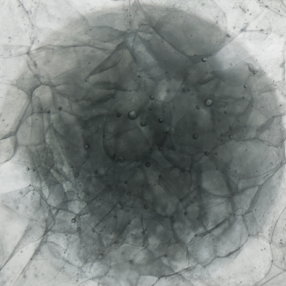
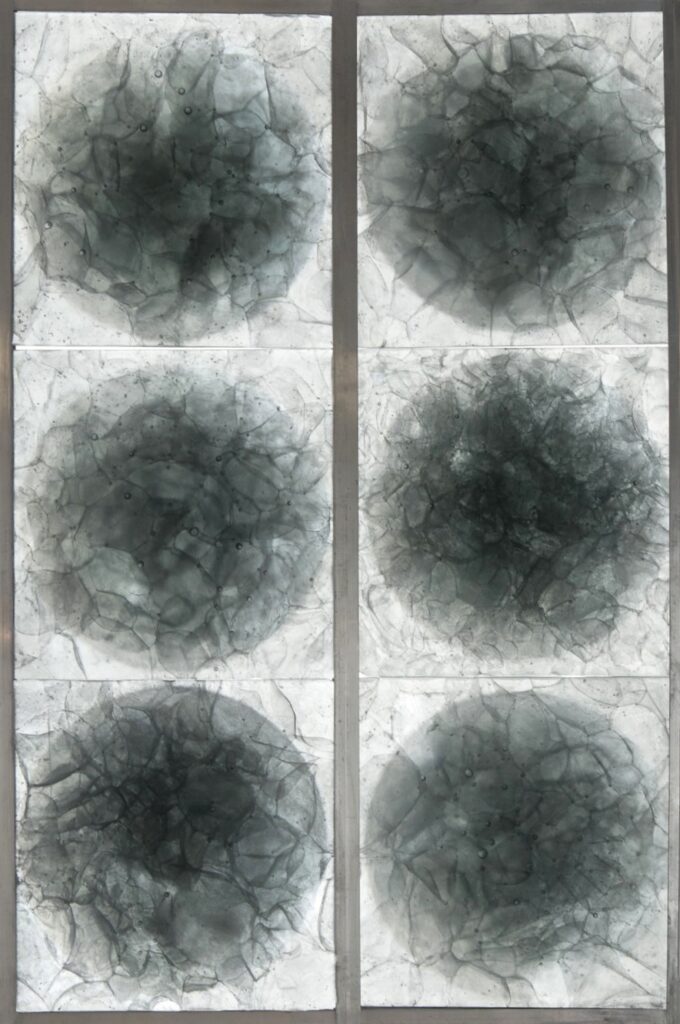
Gregory Alliss incorporates his experiences in Bremen directly into his artistic work. “My installation at the Edinburgh Science Festival is more strongly influenced by my time in Bremen than I initially thought,” he says. The plan is to create a special exhibition that also transcends artistic boundaries and features digital projections alongside central glass works: sculptural forms that make Fourier analysis patterns visible—a mathematical method that decomposes complex signals into their fundamental frequencies. Alongside these, a functional glass “no-field” scanner that allows visitors to experience the simulation of an MR sequence in the form of light and sound pulses, a grid of square glass lenses installed in front of a large window with natural backlighting picks up on the cross-sectional anatomy of medical imaging. This existing work by the artist combined his worlds of art and medical physics for the first time. In the exhibition, it is expanded, with a tablet device enabling visitors to record their own interpretations. Further glass objects made from waterjet-cut or engraved discs merge characteristics of glass and MRI through the replication of veil and interference patterns. Video projections of MRI scans of these objects are combined with the glass works. This creates a direct connection between the physical artwork and scientific imaging.
The entire installation is entitled “Between Glass and Magnetic Fields” and will be set up in a special location: “Our exhibition venue, Inspace, is not a traditional gallery, but rather a living laboratory,” says Miriam Walsh, producer at the Inspace at the Institute for Design Informatics (IDI) at the University of Edinburgh. The premises is equipped with multiple digital projections and large displays—an ideal setting for immersive art. For Walsh, the exhibition aims to open up a space that invites people, regardless of their prior knowledge, to approach the subject of MRI creatively. “We hope that people will ask themselves questions—perhaps even ones they have never thought of before—and thus find their own way of accessing the subject.”
“At its core, the project aims to promote creative innovation and democratizing science,” says Bianka Hofmann, Head of Science Engagement and lead of the Residency Program at Fraunhofer MEVIS. “It opens up new ways to involve more people in assessing and producing expert knowledge—such as MR sequence development—while strengthening trust in scientific work.”
STEAM Imaging VI, hosted by Fraunhofer MEVIS, Germany, in collaboration with the Institute for Design Informatics, University of Edinburgh, United Kingdom, creates a unique opportunity to explore the potential for application of creative multi- and transdisciplinary approaches in digital medicine. The collaboration involves the International Fraunhofer Talent School Bremen and the Oberschule am Waller Ring in Bremen, supported by Ars Electronica, Austria.
Listen to the new audio podcast “Glass Art Meets MRI” with Gregory Alliss, the creator of Between Glass and Magnetic Fields, to find out more about this project:
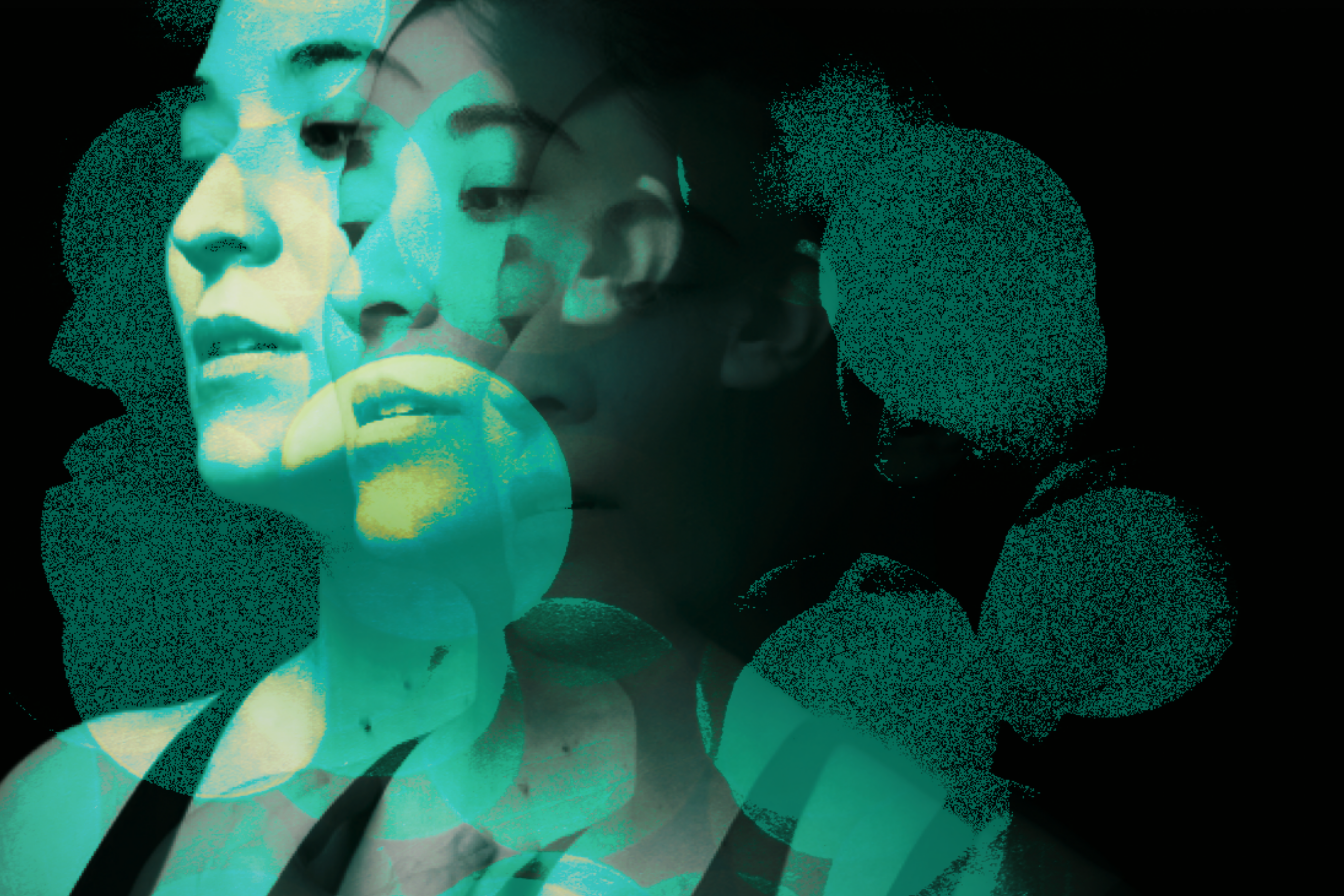
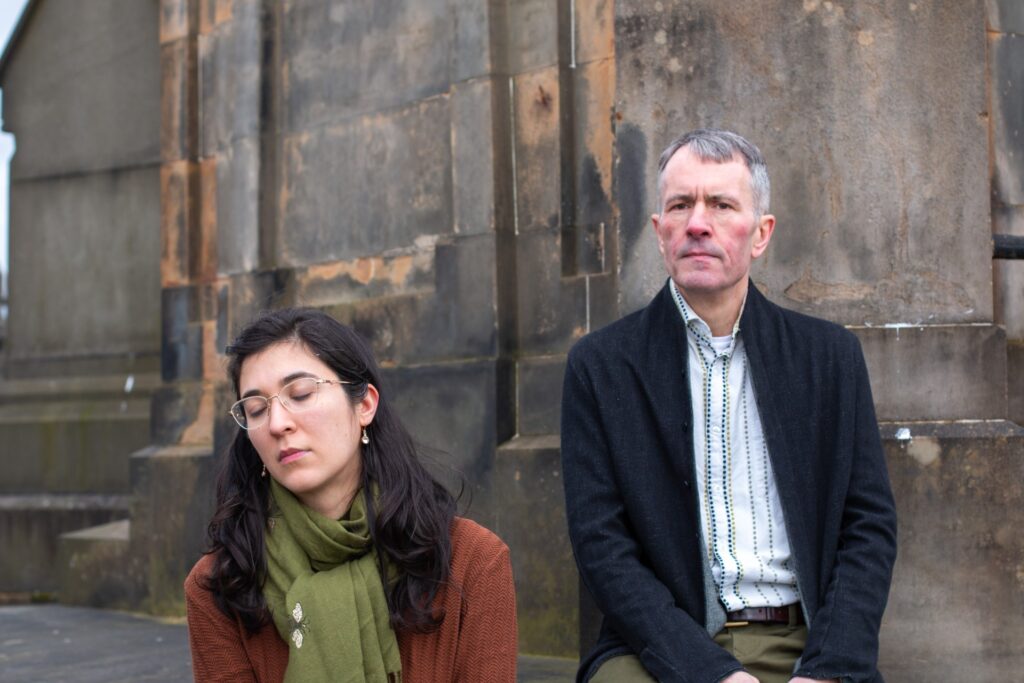
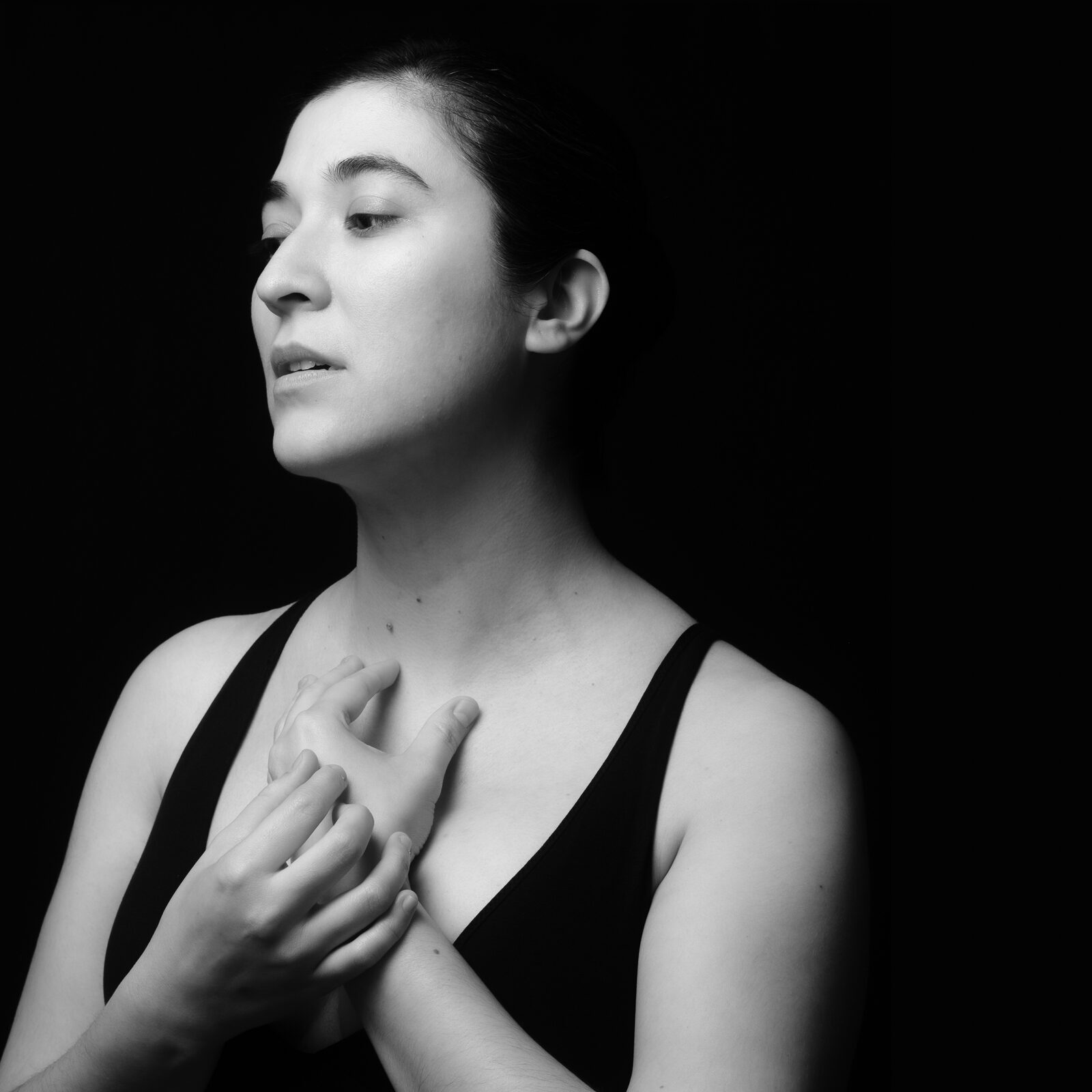
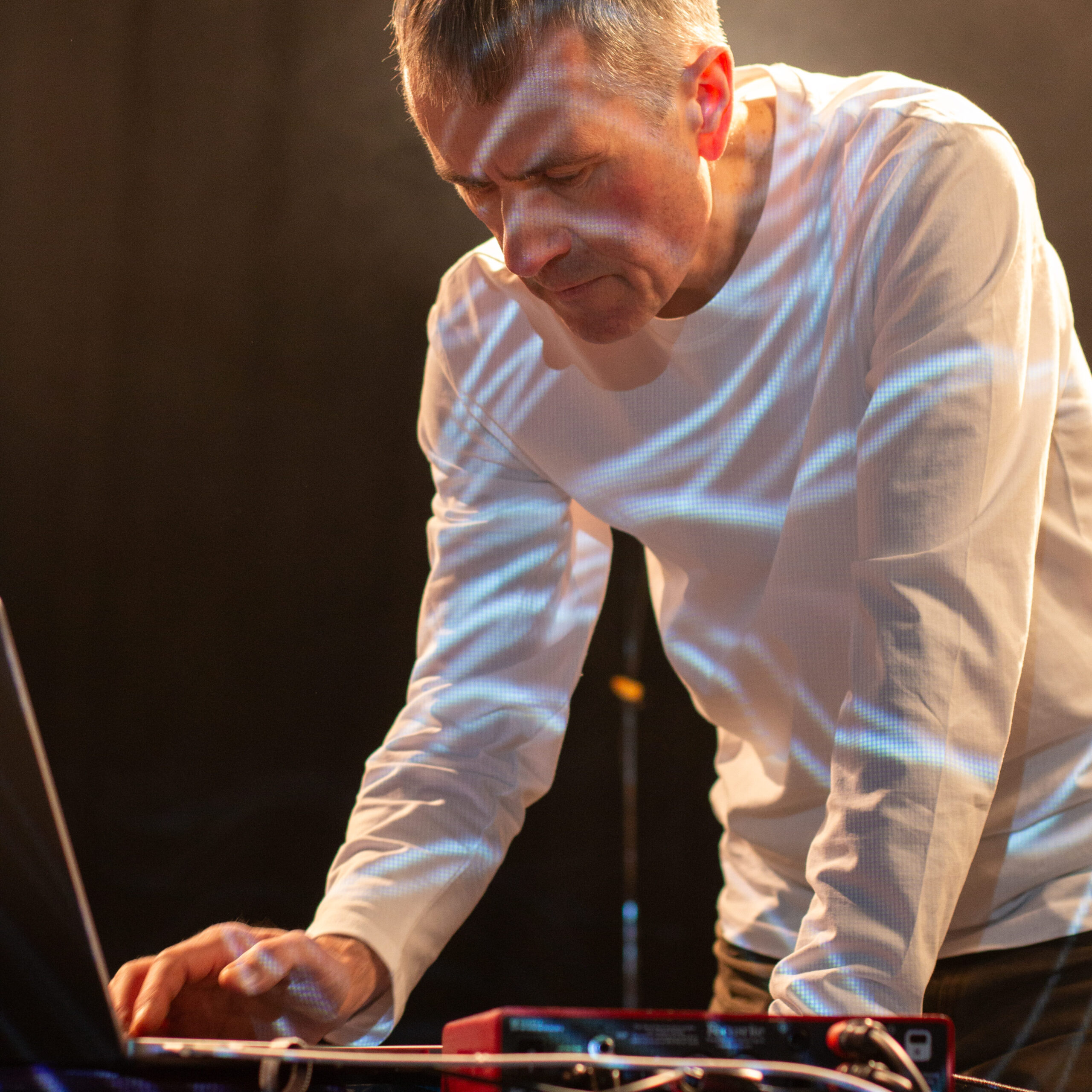
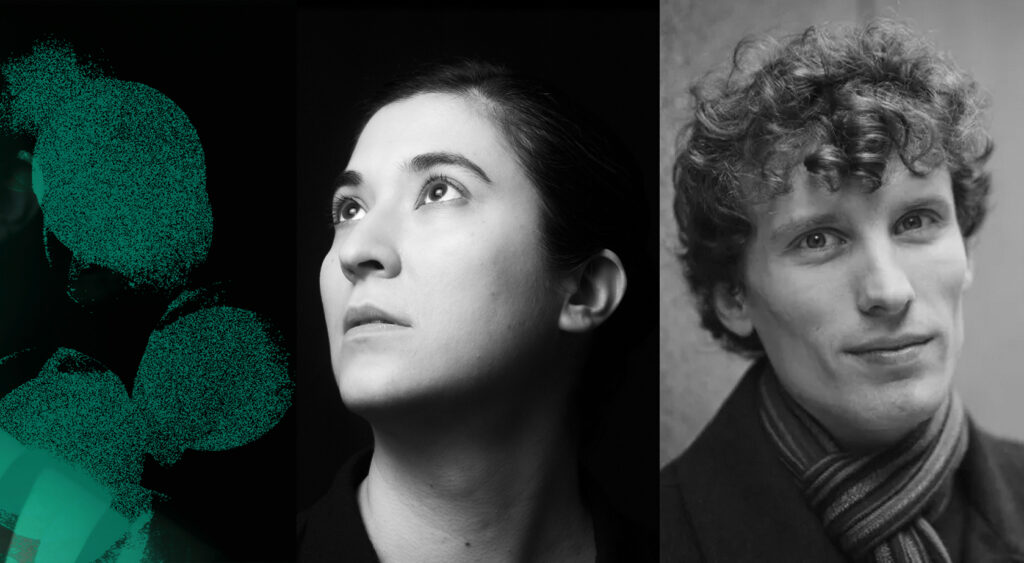
Join us for Ecstatic Visions, a live album concert performance by soprano Stephanie Lamprea and electronic musician Alistair MacDonald.
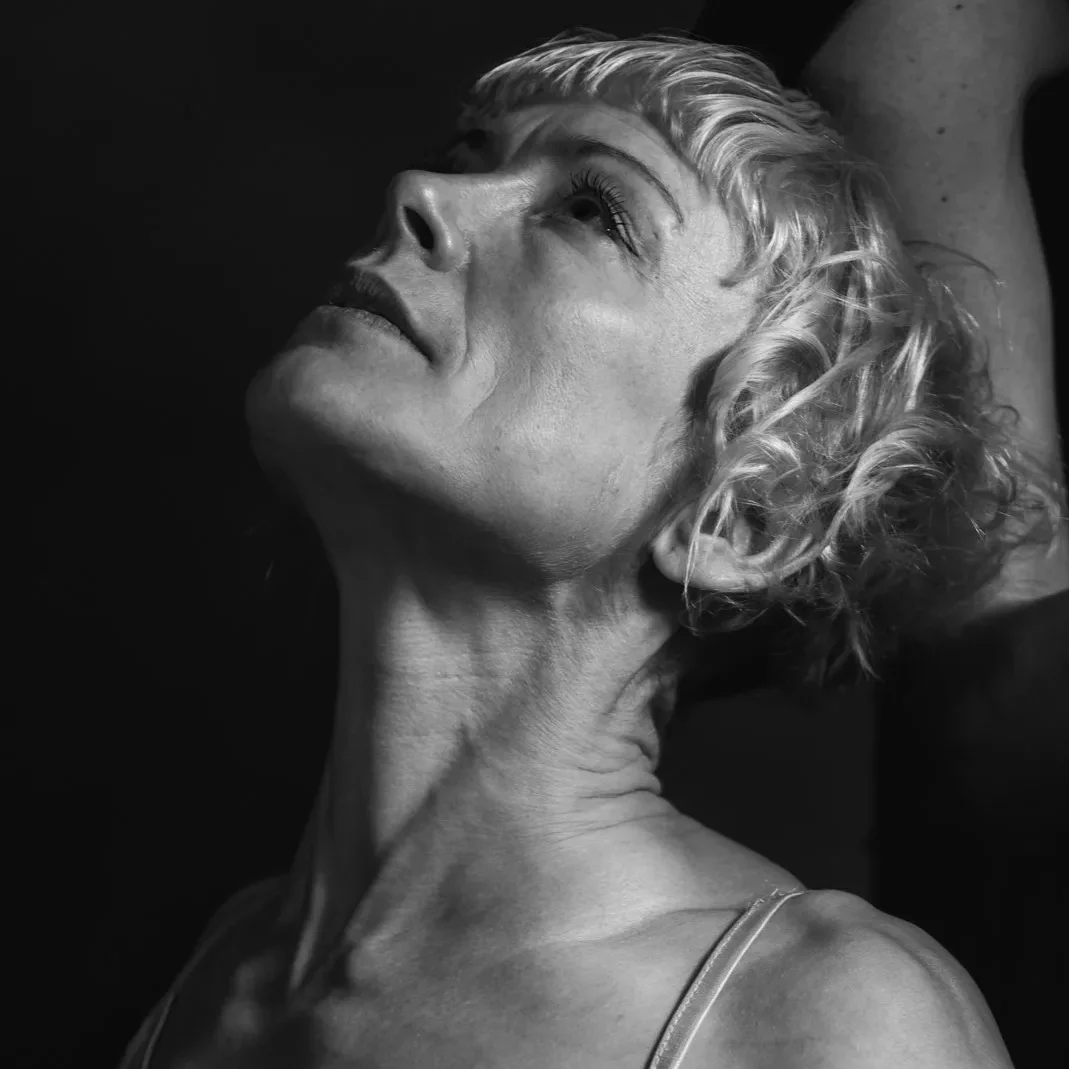
The performance, celebrating the launch of a new album recording released on Neuma Records, will feature live music for voice and electronics, dance performance by Suzi Cunningham, video art by Oana Stanciu, and creative captions by Stephanie Lamprea.
Ecstatic Visions
A curated exploration of feminine vocality, technology, and creation myths
Concert Details
Date: Fri 27 Feb 2026 Time: 18:00-20:30 | Free*/PWYC*/Ticketed Location: Inspace, 1 Crichton St, Edinburgh, EH8 9AB Audience: General public / Suitable for Ages 12+ (under 18’s must be accompanied by an adult)
*PWYC – Ticket pricing for this event includes a ‘Pay What You Can’ ticket option to support digital donations. *FREE – for free tickets there will be facilities to leave an optional cash donation on the door. All ticket donation proceeds go directly to the artists, to support their concert costs and to positively contribute to the sustainability of their creative practices.
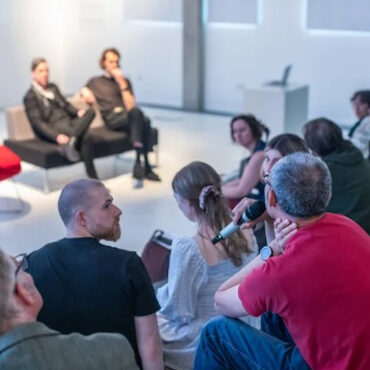
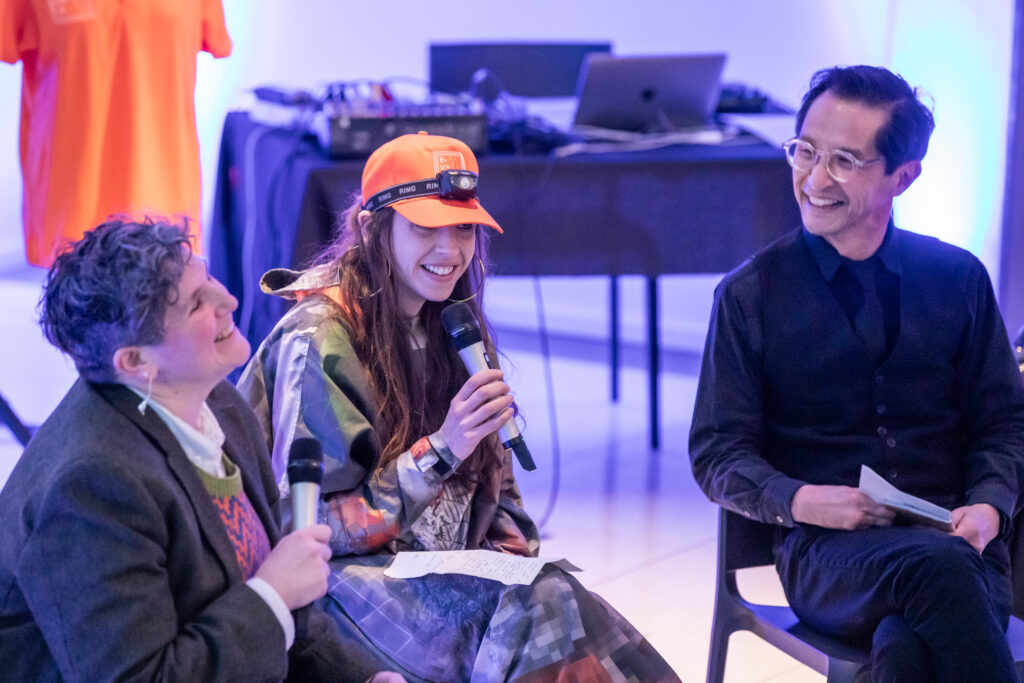
Running Order: Please arrive up to 15mins early to take your seat as the performance will start promptly at 18:00 17:45 – Doors Open 18:00 – Performance Intro 18:05 – Live Concert 19:30 – Audience Q&A, with Lamprea, MacDonald and Cunningham moderated by Theodore Kotwerwas 20:00 – Reception 20:30 – Event end
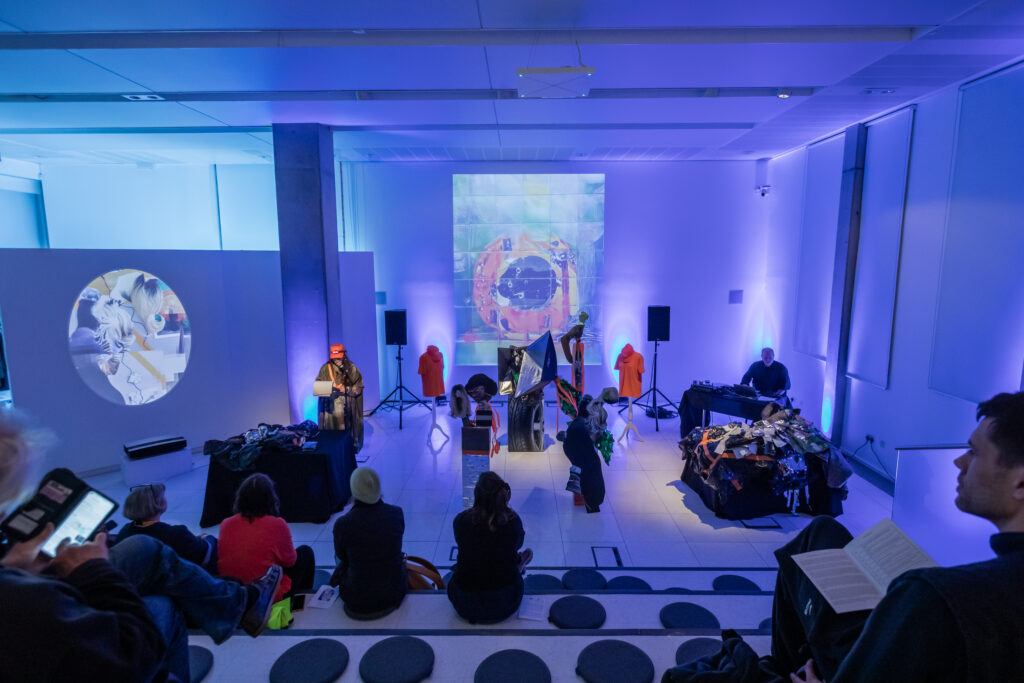
Inspace is a bright white space and for this performance natural light has been blocked out to accommodate the spot lit performance and video backdrop.
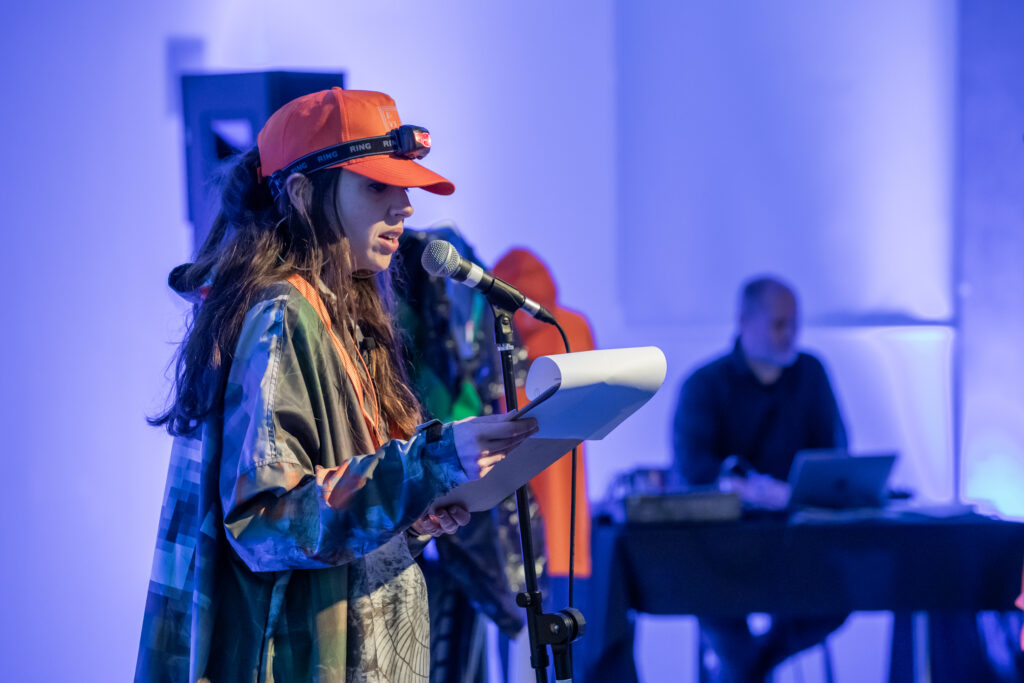
The performance features Stephanie Lamprea as the lead vocalist, a soprano who showcases powerful vocal agility with a variety of sound including lyrical singing, ornamenting runs, trills, and leaps, and other vocalisation. The songs performed in the concert range from quiet to loud and contain a combination of slow to fast paced materials which vary in intensity across the concert. Her voice will also be amplified.
The accompanying electronic music by Alistair MacDonald, played back through speakers on stage and behind the audience, includes immersive textures and sometimes unfamiliar sounds. It is sometimes loud but we aim for this not to be at an uncomfortable level. The concert features video by Stephanie Lamprea and Oana Stanciu which includes text, familiar images, and more abstract colours and shapes; there are some fast moving images and flashing light but no strobe. The concert also features dance by Suzi Cunningham who responds through dynamic movement to the rhythm, pace and intensity of the songs.
There are chairs at the rear of the audience area and wide steps with cushions towards the front. If you are sensitive to aural or visual stimuli and at any stage feel the need to take a break, there will be some additional seating away from the main performance area where the sound and visuals will be less intense. Audience members who may benefit from ear protection to manage sensory processing are welcome to bring their own devices, and disposable ear plugs will also be available at the door.
Concert Programme
ANGÉLICA NEGRÓN: Letras para cantar (2019) ALISTAIR MACDONALD: Ecstatic Visions (2023) WENDE BARTLEY: Ellipsis (1988) Improvisation: Stai în banca ta / Behave ROBERT LAIDLOW: Post-Singularity Songs (2023-24)
Singing worlds into existence, from Medieval mystics to AI oracles, Ecstatic Visions offers a shining gateway into other realms. The five transcendental works on the album forge a deep connection between Stephanie Lamprea’s visceral vocal presence and the live electronics of composer Alistair MacDonald, playing with how the voice is embodied or liberated by technology. Sourcing texts from 12th-century mystic Hildegard von Bingen and proto-feminist poet Juana Inés de la Cruz to AI-generated narratives, the album places historical visionaries and modern technology side by side as sacred oracles.
The album’s program is a curated exploration of feminine vocality, technology, and creation myths. It includes:
• Angélica Negrón’s atmospheric Letras para cantar, a sensual setting of poetry by 17th century nun from New Spain, Juana Inés de la Cruz.
• Alistair MacDonald’s immersive Ecstatic Visions, commissioned for the Glasgow Cathedral Festival. It forges Lamprea’s voice with the sound of the cathedral’s great bell and Hildegard von Bingen’s writings on gemstones and visions, creating a series of kaleidoscopic, multi-channel illusions.
• Wende Bartley’sEllipsis maps the three phases of the moon (waxing, full, and waning), in association with three archetypes of woman(virgin, mother, and crone).
• Eric Chasalow’sThe Fury of Beautiful Bones, a powerful setting of Anne Sexton’s raw confessional poetry, where the electronic part stretches the voice into impossible, resonant shapes.
• Robert Laidlow’sPost-Singularity Songs, a monodrama featuring a creation myth co-authored with ChatGPT. The work blends Laidlow’s writing with poetry by Emily Dickinson and John Donne, and text from a specially created poetry-generating AI, exploring themes of dust, death, and free will in a digital universe.
At the heart of this album is the question of where the ‘self’ resides when the voice—the most embodied instrument—is transformed by circuitry. Collaborating with Alistair, we treated all sound as a physical entity. Whether singing Hildegard’s chants, or becoming a vessel for an AI’s creation myth, the goal was to find a profound, often political, connection and authenticity.
says Stephanie Lamprea
Ecstatic Visions is built on the physicality of sound. From the resonant space of Glasgow Cathedral to the intimate digital processing of Stephanie’s voice, we explore how electronic sound can extend, dislocate, and ultimately re-embody the human voice in new and meaningful ways.
Alistair MacDonald adds
Contributors
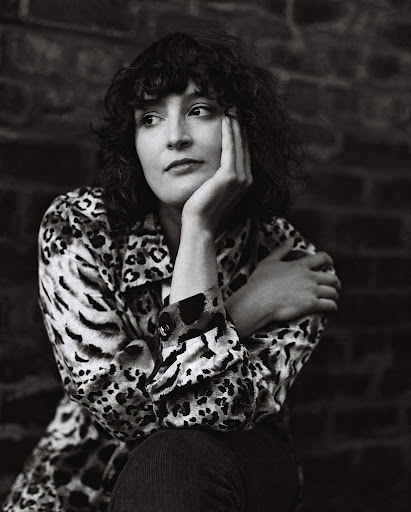
Colombian-American soprano Stephanie Lamprea is an architect of new sounds and expressions as a performer, recitalist, curator, composer, and improviser, specializing in contemporary-classical repertoire. Trained as an operatic coloratura, Stephanie uses her voice as a mechanism of avant-garde performance art, creating “maniacal shifts of vocal production and character… like an icepick through the skull” (composer Jason Eckardt). She has been praised by Opera News Magazine for “her iconoclasm and fearless commitment to new sounds” and for her “impressive display of extended vocal techniques, in the honorable tradition of such forward-looking artists as Bethany Beardslee, Cathy Berberian and Joan La Barbara.” Her work has been described as “stunning, harrowing, agonising, sonorous…” by The Observer, “divinely deranged” by the Herald Scotland, and that she “sings so expressively and slowly with ever louder and higher-pitched voice, that the inclined listener [has] shivers down their back and tension flows into the last row.” (Halberstadt.de) She has performed as a soloist at Roulette Intermedium (New York City), Constellation Chicago, Sound Scotland, Kings Place (London), Southbank Centre (London), the Huddersfield Contemporary Music Festival, the National Concert Hall (Dublin), the Centre for Contemporary Art (Glasgow), the Hidden Door Festival (Edinburgh), and the Casa da Música (Porto). She has collaborated with leading new music ensembles and bands including the Riot Ensemble, International Contemporary Ensemble, the City of London Sinfonia, Sō Percussion, and Post Coal Prom Queen.
Alistair MacDonald is a composer and performer who creates uniquely rich, spatialised music and sound. Often collaborative, his work encompasses field recording, live electronics, interactivity and improvisation with live electronics. He makes standalone electroacoustic works, music for instruments and voices, music and sound design for dance, film and art gallery installations. Recent recordings include duo performances with soprano Stephanie Lamprea, Scottish harpist Catriona McKay, and Estonian singer Anne-Liis Poll. A solo CD of his electroacoustic works was published in 2017 by Canadian label empreintes DIGITALes. Collaborative projects include The White Cave (film/installation) with Jesse Jones, Stephanie Lamprea and Erin Thomson for the Singapore Biennale, 2025; The moss and the cosmos, (film, 2021), with Kim Beveridge, commissioned by The Cumnock Tryst, UK; music for the 1922 film Nosferatu (2018), with Phil Minton (UK) and Vlady Bystrov (Germany); The Last Post (trumpet and electronics, 2016) with trumpet player Tom Poulson commissioned by the St Magnus Festival 2016 and selected for the Made in Scotland showcase at the Edinburgh Fringe 2017; three works with dance company Reckless Sleepers (UK and Belgium 2018-22); works with Carrie Fertig, on music for glass percussion, electronics and live flame-working, including Le Sirenuse (film, 2014) selected for the Royal Scottish Academy Open Exhibition 2015 and Flames and Frequencies (performance/film, 2013) selected for the Coburg Prize for Contemporary Glass 2014. (USA, Germany, UK); Silver Wings and Golden Scales (installation, 2007) with Jennifer Angus commissioned by the Chazen Museum of Art, Wisconsin,USA; and The Imagining of Things (installation, 2013) with Brass Arts, Huddersfield Art Gallery, UK. Other commissions include music for The Scottish Ensemble, The Paragon Ensemble, BBC Radio Scotland, Reeling and Writhing, the Australian ensemble Elision, choreographer Shobana Jeyasingh and Theatre Cryptic. His music is published by the Canadian label empreintes DIGITALes.
Suzi Cunningham is a Scottish live-performance artist and Butoh dancer. Her solo work is highly physical, political and responsive to its unique environment, enriched with her sense of design and musical composition. Suzi explores relationships with all life forms as well as manufactured materials, making embodied connections in a way that borders transformation. She has toured across Scotland and Europe, with her solo work Eidos and Rules To Live By and clown dancing duo Buff and Sheen. She is a performer and co-creator of Nomoss and MoonSlide who make inter-generational inclusive and accessible, site specific work and movement collaborator in Oceanallover who specialise in interdisciplinary outdoor performance.
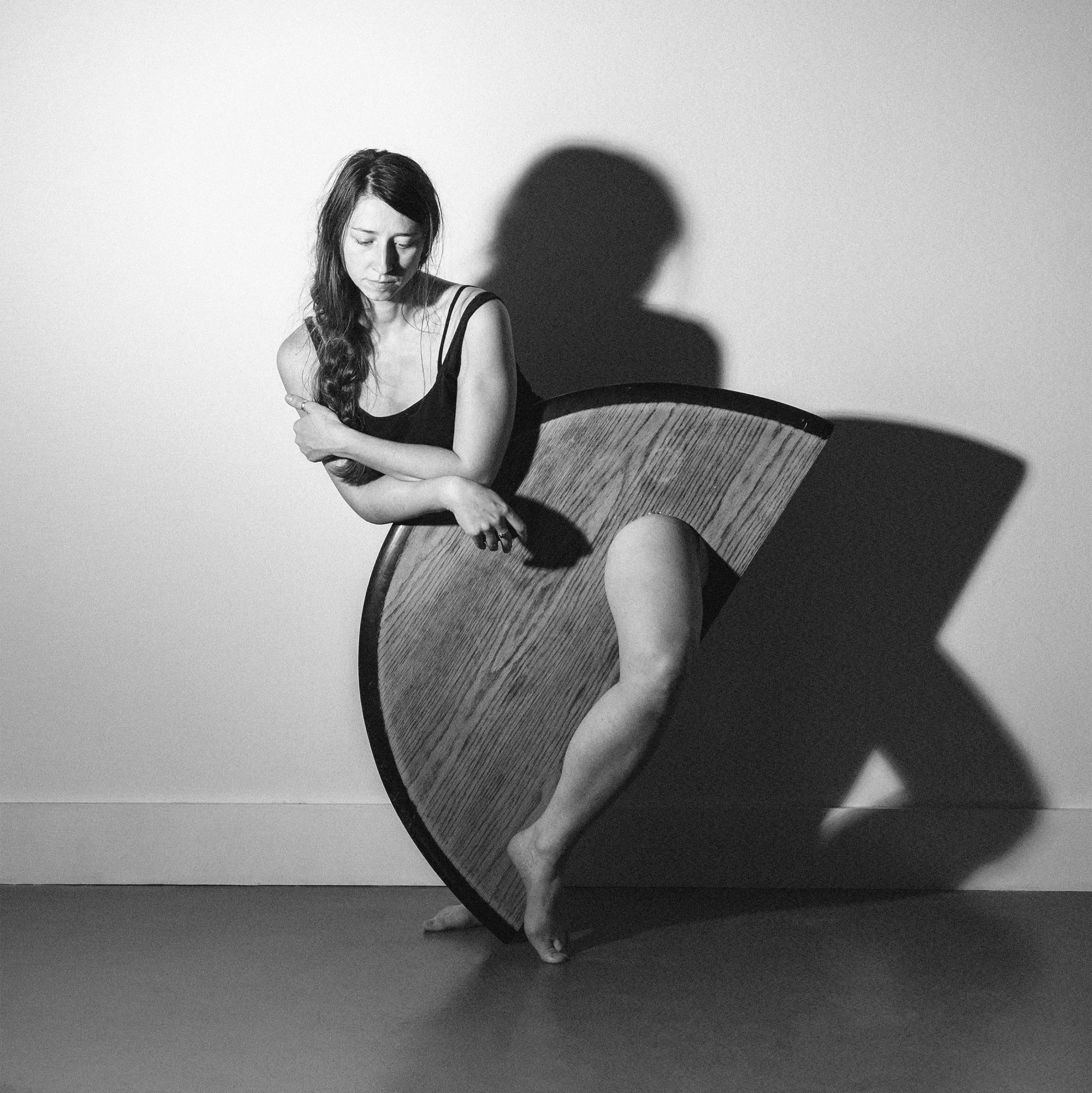
Oana Stanciu is a visual artist from Romania, living and working in Edinburgh. Her work combines performance, photography and moving image to create unnatural and subtly distorted self-portraits. She merges her body with different objects and environments, improvising scenes and transforming herself into unusual characters and creatures. Her work features black and white photographs and moving image to help bring these characters to life. Over the last few years, she has increasingly become more focused on her video work, developing techniques and editing methods using the human body to create more complex, layered compositions and video installations. Oana has also collaborated with different musicians such as Kathryn Joseph (winner of the Scottish Album of the Year award), Tinderbox Orchestra and other composers, creating music videos, album covers and other visual materials for their music. In 2022, Oana was awarded a Knighthood by the Romanian president for her contribution to Romanian culture in the UK, and she has received several awards including a VACMA Award 2023, Stills Award 2022, RSA Morton Award 2021, Ingleby Award, Latimer Award, and the Meyer Oppenheim Award, and in 2019 she received one of the Royal Scottish Academy’s RSA Residencies for Scotland. Her work has been exhibited in various cities in the UK including Edinburgh and London as well as in Romania, Norway, Austria and Japan. www.oanastanciu.com
Theodore Koterwas is an artist, designer and musician seeking to draw critical attention to aspects of daily experience that go unnoticed but profoundly impact on how we understand each other, technology and the environment. He received his MFA in New Genres from the San Francisco Art Institute. His multidisciplinary practice produces art installations, performances, museum exhibitions, and software applications for public engagement, creative collaboration, and teaching and learning. Having begun his career at the Exploratorium in San Francisco he has since worked with the University of Oxford, University of Edinburgh, Aberdeen Performing Arts, Edinburgh Science Festival and artist/musician David Byrne. His AI generated interactive video installation The Nth Wave was shortlisted for the 2021 Lumen Prize for Art and Technology. Currently he is focused on physical interactions with artificial intelligence, utilising haptics, computer vision, deep reinforcement learning, and natural language processing to investigate the impact of embodied engagement on how we perceive, collaborate and empathise with ‘others’, both human and artificial. theodorekoterwas.com
Data Protection Statement
How we use and store your data – In providing this information, you are giving explicit consent for us to use your data in our programme and event monitoring, reporting and evaluation processes. The data is managed confidentially. Your data will be collected and held by the Institute for Design Informatics, University of Edinburgh (who operate Inspace), it will also be shared with event partners and organisations for this event/talk (e.g. Stephanie Lamprea). Your data will only be reported or published in anonymous aggregated forms and will always be processed in accordance with the Data Protection Act 2018 and therefore also in accordance with the General Data Protection Regulation (GDPR).
Data retention period: We will hold this information for a maximum period of 5 years from the date of the event, after which it will be disposed of. Please read the University’s privacy and Data Protection notice (https://data-protection.ed.ac.uk/notice) for further information.
Opt out: If you do not wish to share your information, or would like to modify your consent to collection and processing of personal information, please email us at: designinformatics@ed.ac.uk
Join us for this Artist Talk and Reception to mark the launch of Right to Roam City Screens showcase, the first iteration of this new body of work by Sarah Calmus.
Right to Roam
An expansive enquiry into freedom of movement through the lens of the river Forth
Join us for this Artist Talk and Reception to mark the launch of Right to RoamCity Screens showcase, the first iteration of this new body of work by Sarah Calmus. This new body of work extends Calmus’ ongoing creative research into water, exploring it as a living body with a voice and not primarily as a resource. She is particularly interested in exploring the intersections of climate change, data, and the fundamental freedom to move.
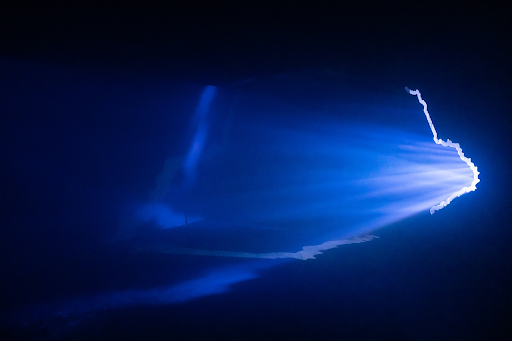
Come along to this talk, to hear more about this work in progress and to immerse yourself in these first visual experiments by Calmus created specifically for Inspace City Screens, inviting you to connect and find commonality through the lens of water.
Image Credit: Installation photo of ‘Oh vatten, Oh uisge (Oh water, Oh water)’, by Sarah Calmus, Hidden Door 2025. Photography by Chris Scott
Event Running Order: 18:00 Doors Open 18:15 Artist Talk with audience Q&A 19:00 Reception 20:00 Event End
This event has limited capacity and so registration is preferred. Drop-ins are welcome, but participants with tickets are guaranteed entry.If you have any enquiries about the events and venues, please contact event organisers at designinformatics@ed.ac.uk
Please note this event will be recorded and photographed by Design Informatics and Studio Sumlacs – Video and Photographs will be used for future marketing, promotional, reporting and archival purposes. If you would prefer not to be filmed or photographed, please let us know at the event.
Data Protection Statement
How we use and store your data – In providing this information, you are giving explicit consent for us to use your data in our programme and event monitoring, reporting and evaluation processes. The data is managed confidentially. Your data will be collected and held by the Institute for Design Informatics, University of Edinburgh (who operate Inspace), it will also be shared with event partners and organisations for this event/talk (e.g. Studio Sumlacs). Your data will only be reported or published in anonymous aggregated forms and will always be processed in accordance with the Data Protection Act 2018 and therefore also in accordance with the General Data Protection Regulation (GDPR). Data retention period – We will hold this information for a maximum period of 5 years from the date of the event, after which it will be disposed of. Please read the University’s privacy and Data Protection notice (https://data-protection.ed.ac.uk/notice) for further information. Opt out – If you do not wish to share your information, or would like to modify your consent to collection and processing of personal information, please email us at: designinformatics@ed.ac.uk
Speaker
Sarah Calmus, Right to Roam project lead, is an interdisciplinary artist, programmer, and creator of large-scale immersive installations and provocations, working across a multitude of mediums such as light, sound and print. Accessible, multisensory, sustainably produced experiences are central within Calmus’s practice, where works often draw focus on environmental concerns that build equity for participators and critique and explore ecosystems of varying scales. Interested in building spaces to connect and reflect, her practice is intentionally interdisciplinary and participatory, viewed as a series of experiments underpinned with explorations into interaction.
If you have any enquiries about Inspace programming and the venue, please contact us at designinformatics@ed.ac.uk.
Uisge
Right to Roam City Screens showcase
This event is part for Right to Roam City Screens showcase marking the launch of Uisge, seven screen projected moving image work by Sarah Calmus which reflects on ideas of water as a living body by exploring the voice of the river Forth. Usige is the first presentation of Right to Roam, an expansive enquiry into freedom of movement through the exploration of water, with focus on the river Forth, which will be followed by an extended immersive installation in Inspace in May 2026.
We are delighted to be back again this year partnering with the Edinburgh Science Festival to bring you two featured exhibitions.
Science is more than knowledge – it’s a shared pursuit that transcends borders, uniting people, ideas, and discoveries in a global endeavour to create a future that’s fairer, healthier and sustainable for all.
Exploring the theme Going Global, Edinburgh Science Festival 2026 will showcase the research and innovation created through international partnerships that address shared challenges, directly aligning with the UN Sustainable Development Goals (SDGs).
The Festival will highlight Scotland’s contribution to scientific advances through research, innovation and its extraordinary people.
Edinburgh Science
Check out the programme highlights below and we look forward to seeing you there!
Programme highlights
Designing Global Data Interactions
Sat-Mon, 4 – 6 Apr, 20256
Designing Global Data Interactions exhibition at Inspace features the work of Design Informatics MSc/MA students presenting a series of creative prototypes which explore global interactions with data, technology and people. Visit this exhibition to explore societal challenges through embodied, virtual and playful interactions.
Between Glass and Magnetic Fields interactive talk, accompanyies an art installation by Gregory Alliss, emerging from his time as Creator in Residence for STEAM imaging VI: Resonant Connections through Design and Data, at the Fraunhofer MEVIS Institute for Digital Medicine.
An expansive enquiry into freedom of movement through the lens of the river Forth in a seven screen projected moving image work.
Right to Roam is an expansive enquiry into freedom of movement through the exploration of water, with focus on the river Forth, by artist Sarah Calmus. A seven screen projected moving image work, Uisge, will launch on Inspace City Screens this February, viewable along Potterrow in the City of Edinburgh, followed by an extended immersive installation in May 2026.
Right to Roam: Uisge
An exploration of the voice of the river Forth
A key driver for Uisge, is giving space to reflect on ideas of water as a living body by exploring the voice of the river Forth, where changes relating to the climate crisis incrementally affect interconnected ecosystems, both environmental and human.
Gathering water samples from the Forth, Calmus uses microscopic imagery to reveal the inner worlds of the river, alongside foraged moving image, and text. Here, creative exploration of environmental data and technology asks us to consider what we can learn through deep listening. What does water teach us as it moves beyond borders, and what does it mean to consider the Right to Roam as more than a human policy, but as a natural state?
This is part of an ongoing body of work by Calmus, asking us to consider incremental effect with regards to environmental concerns, locally and globally.
Join us for this Artist Talk and Reception to mark the launch, of Right to Roam City Screens showcase, the first iteration of this new body of work by Sarah Calmus.
If you have any enquiries about Inspace programming and the venue, please contact us at designinformatics@ed.ac.uk.
Sarah Calmus, Right to Roam project lead, is an interdisciplinary artist, programmer, and creator of large-scale immersive installations and provocations, working across a multitude of mediums such as light, sound and print. Accessible, multisensory, sustainably produced experiences are central within Calmus’s practice, where works often draw focus on environmental concerns that build equity for participators and critique and explore ecosystems of varying scales. Interested in building spaces to connect and reflect, her practice is intentionally interdisciplinary and participatory, viewed as a series of experiments underpinned with explorations into interaction.
Project Support
Ray Interactive is a specialist design studio, leveraging a passion for creative tech to help artists and organisations deliver engaging experiences for their audiences. Brendan McCarthy and Sam Healy are the core duo behind Ray Interactive. Working at the increasingly complex intersection of computation and creation, they assist artists and organisations to bridge gaps between art, design and technology. Through installations, innovative data visualisation and bespoke software, they push on the ever-blurrier boundary between art and science, while questioning the role of tech in society.
ASCUS Art & Science is a non-profit organisation bringing together art, science and beyond. They host Scotland’s first publicly accessible art-science lab providing training to help artists work on their independent creative art-science projects and exhibitions through providing affordable lab access. ASCUS has facilitated projects at the intersection of art and science by both UK and international artists.
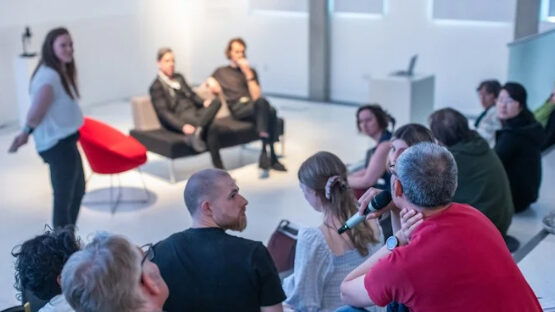
We are delighted to announce Design Informatics upcoming research seminars, open to anyone, taking place at Inspace and kicking off this Winter/Spring.
Seminars will mostly take place in Inspace, Design Informatics public facing venue, but there will be some changes, so please check individual event venue details closer to the time. Details of the seminars will be released on this website the week before the event. So do check back regularly for speaker updates.
Design Informatics Seminars usually feature works-in-progress or new projects exploring design, data and technology from different perspectives. We encourage speakers to share new methods and techniques that use data in design/creative processes in innovative ways, and/or look at the agency, autonomy and power of data in how we design systems and experience the world.
This series seeks to bring together local, national and international research community members, creating an open environment for anyone to get involved in current research discussion and debate.
This series will take place February – May 2025, more speakers to be announced soon.
We look forward to seeing you there!
Seminar Speakers
Michelle Westerlaken
[remote speaker]
Impact Fellow at the MIT Climate and Sustainability Consortium
Talk Title: Vital Biodiversity Systems: Reconnecting Ecological Relations within Digital Data Technologies
In the Institute for Design Informatics, we fuse design and creative methodologies with data, data science and data-driven technologies. We create prototypes and experiences that make real to people the ideas that underpin the data society, and aim to ensure that new technologies sustain and enhance human values.
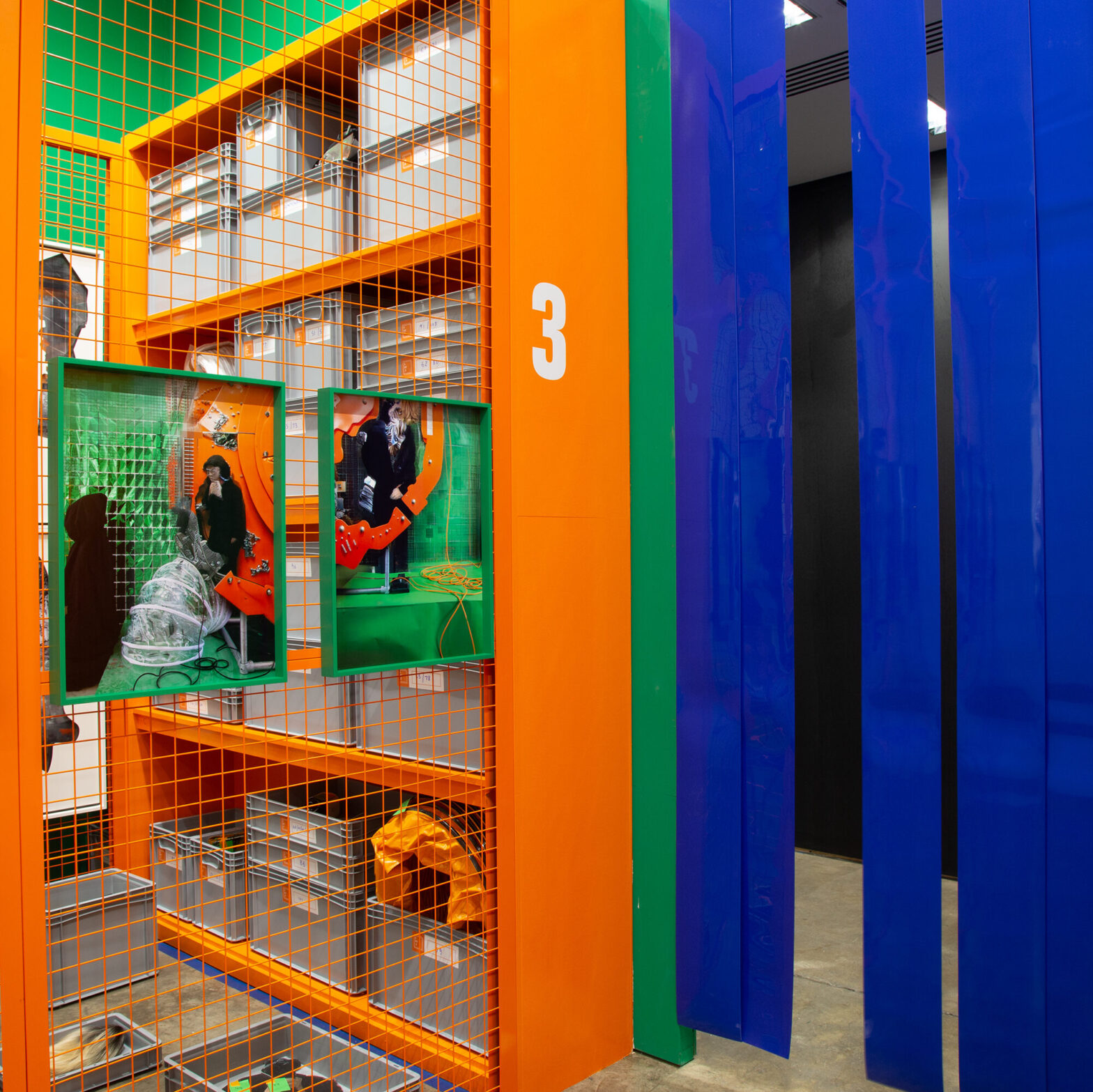
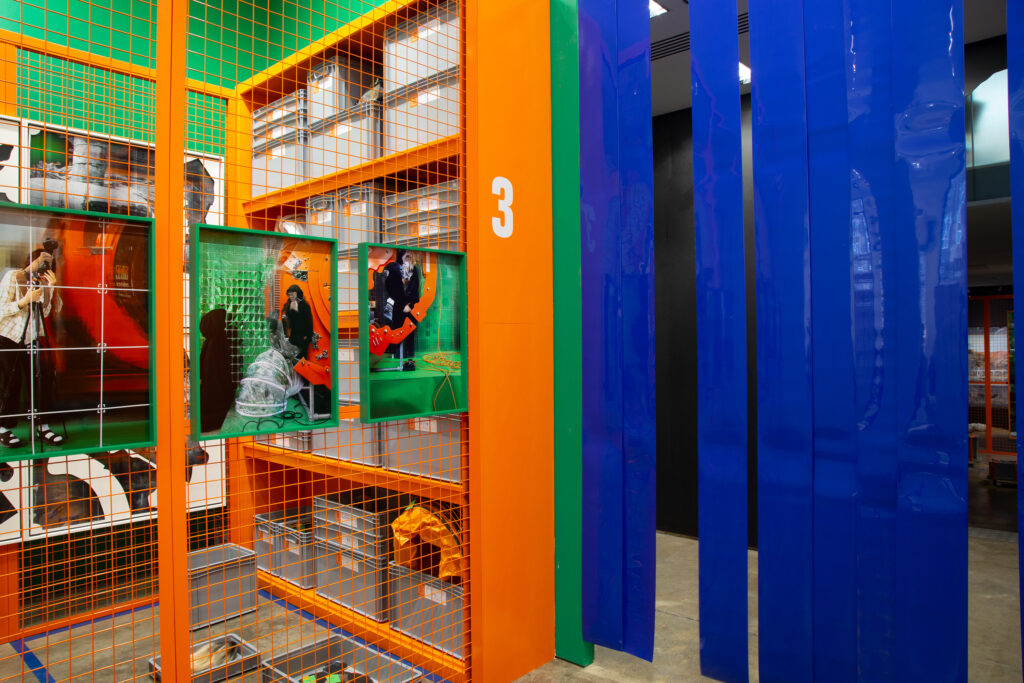
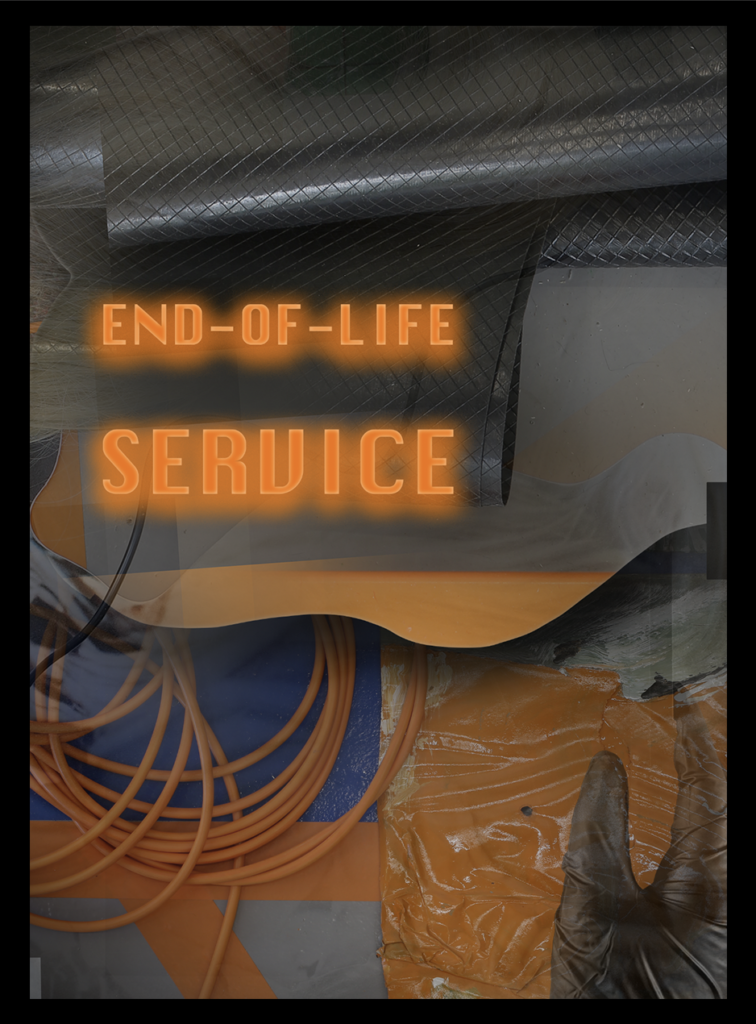
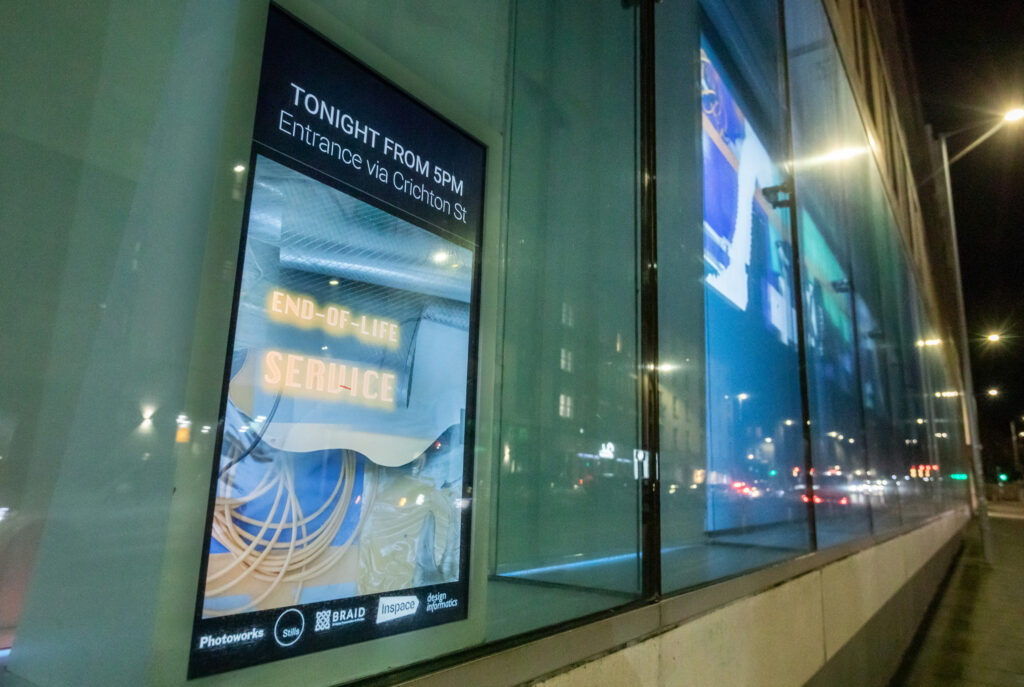
We are delighted to announce END-OF-LIFE-SERVICE Student Workshop across the afternoon of 29th January 2026 to mark the final month of Stills’ current exhibition Felicity Hammond – V4: Repository.
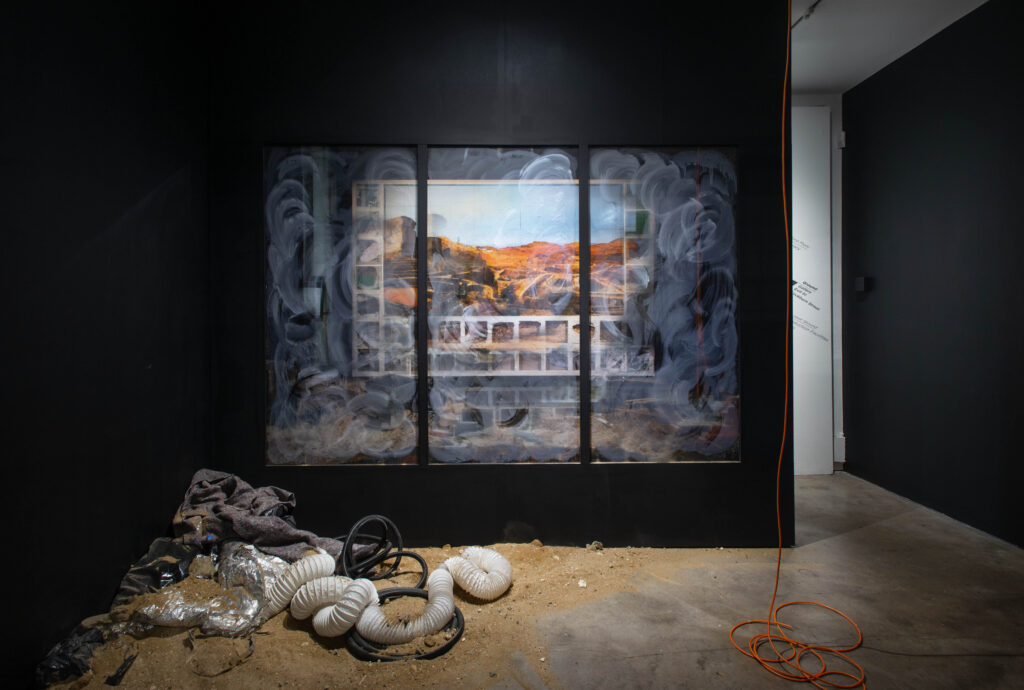
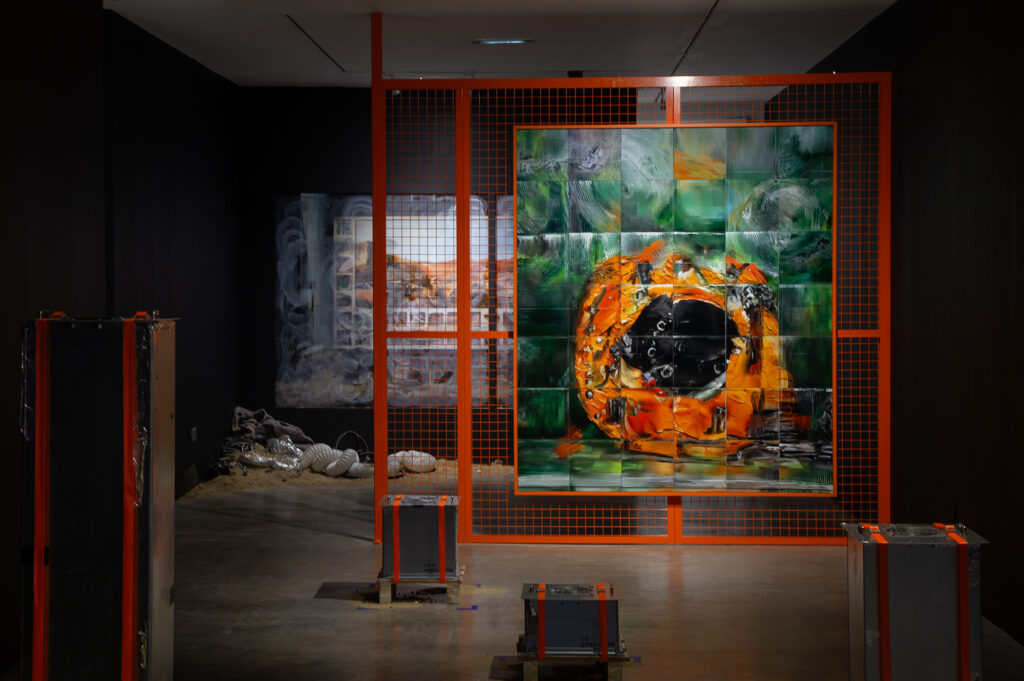
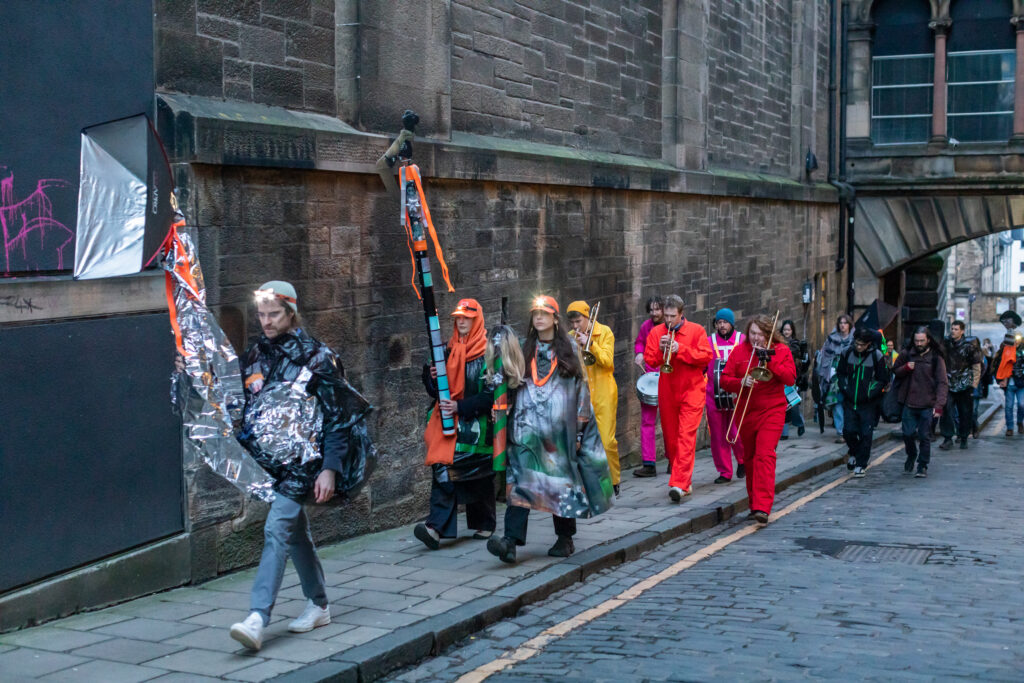
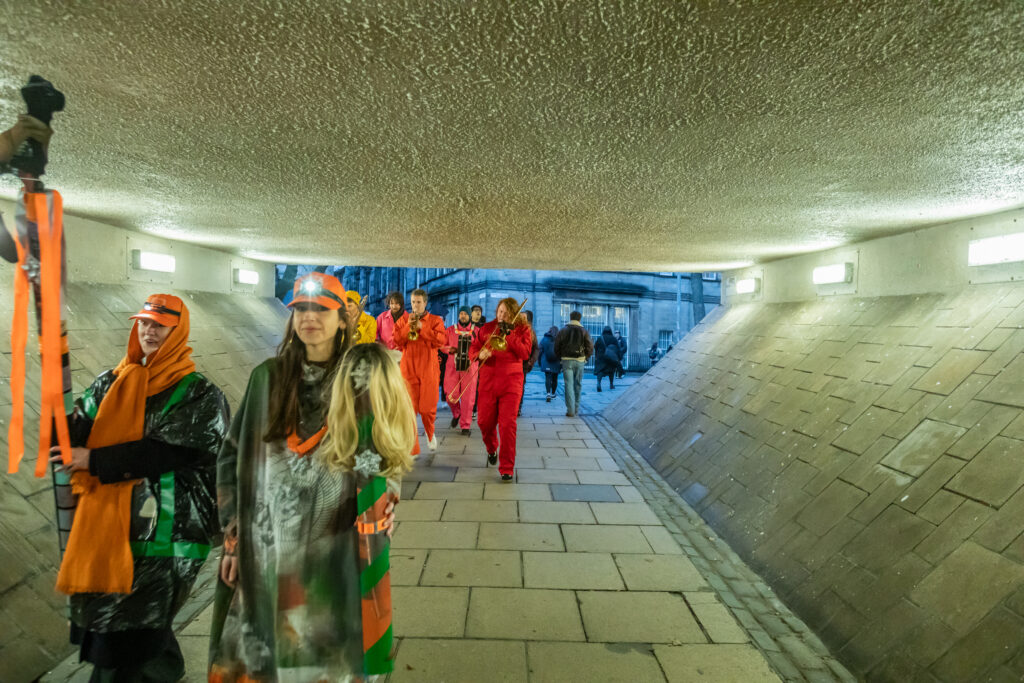
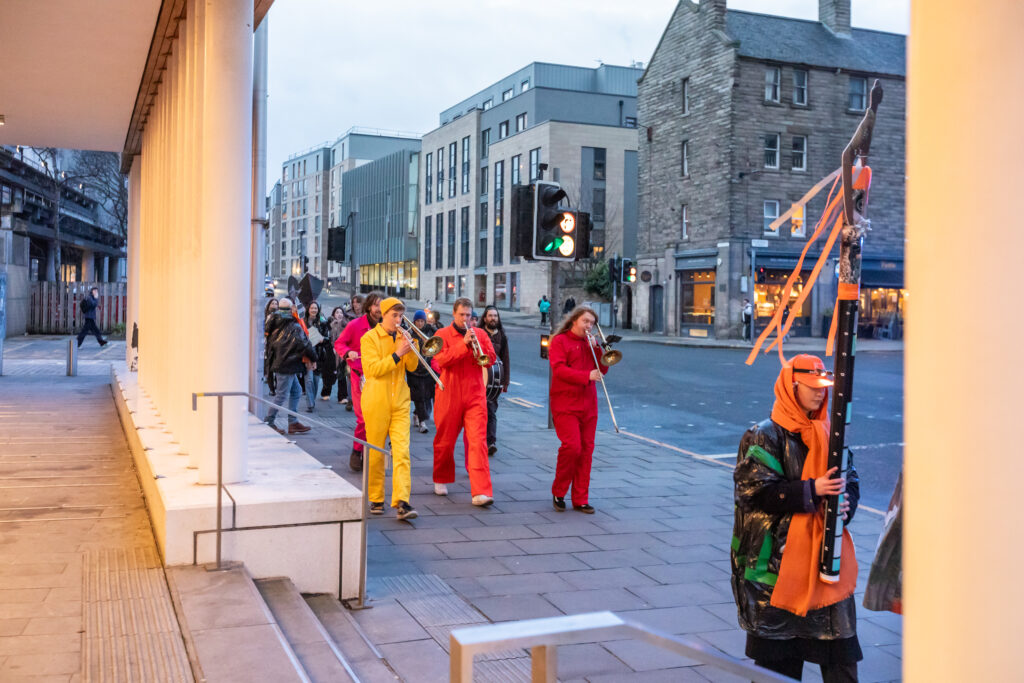
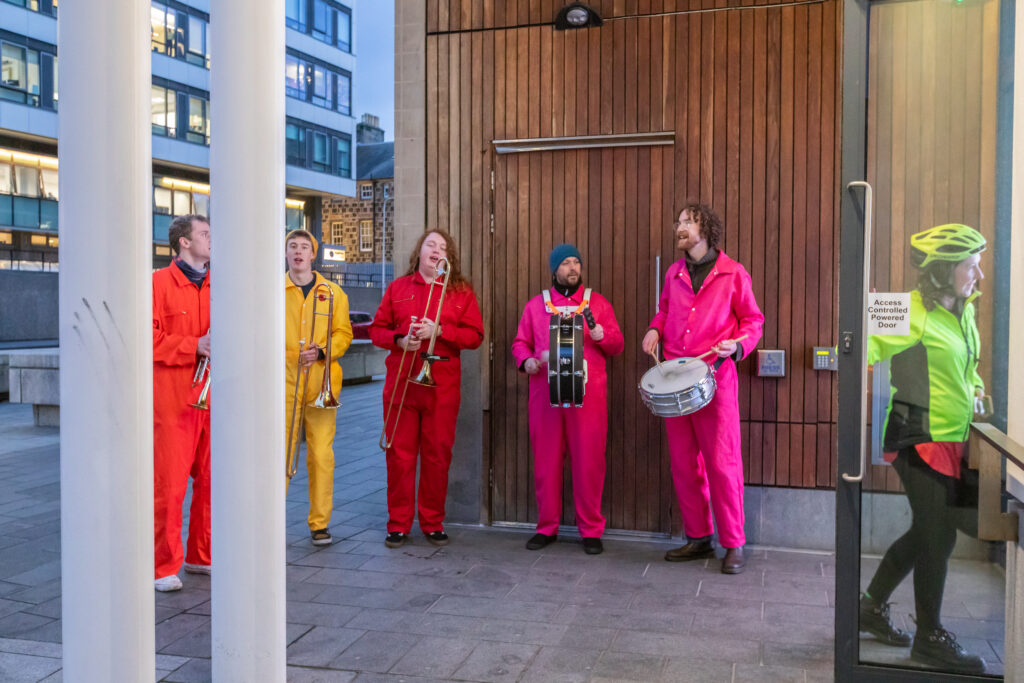
Stills and Photoworks, in collaboration with BRAID (Bridging Responsible AI Divides), and Inspace, is hosting an experimental event in the form of a funeral procession. This event will mark both the declared end-of-life of Artificial Intelligence and the end of Stills’ current exhibition Felicity Hammond – V4: Repository – the final iteration of the artist’sVariations series, commissioned through the Ampersand/Photoworks fellowship.
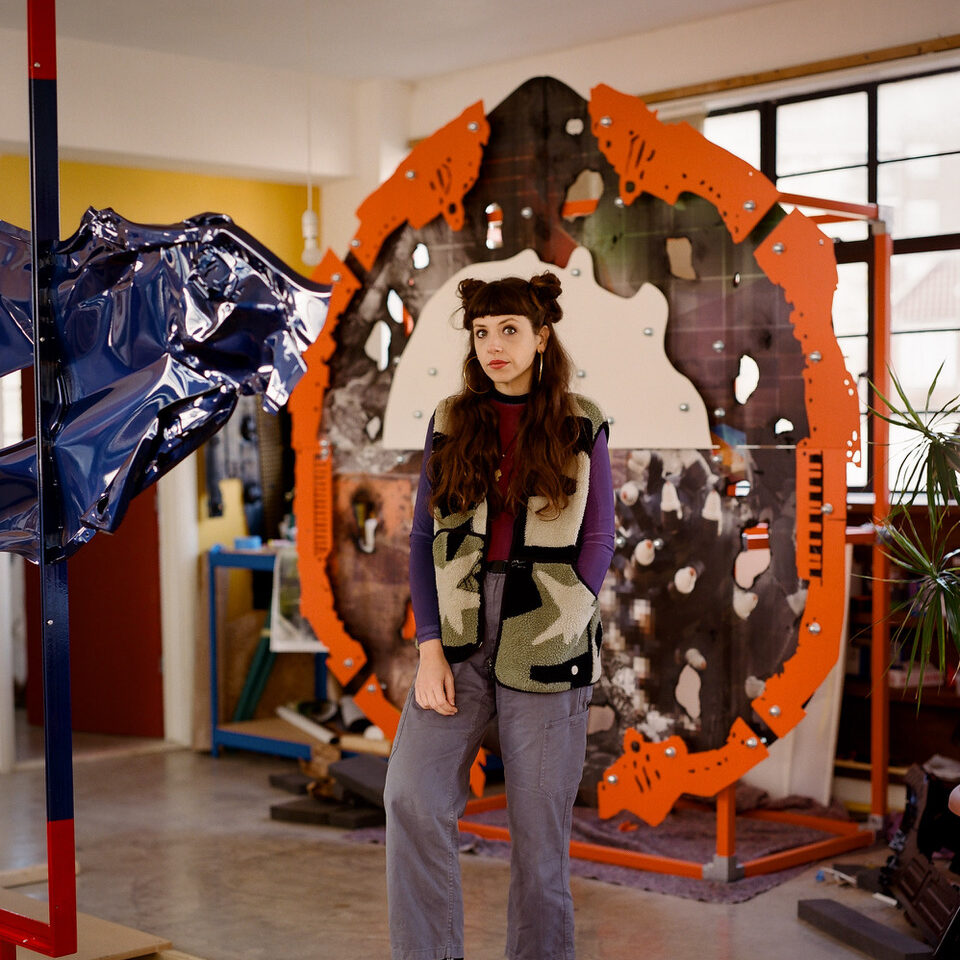
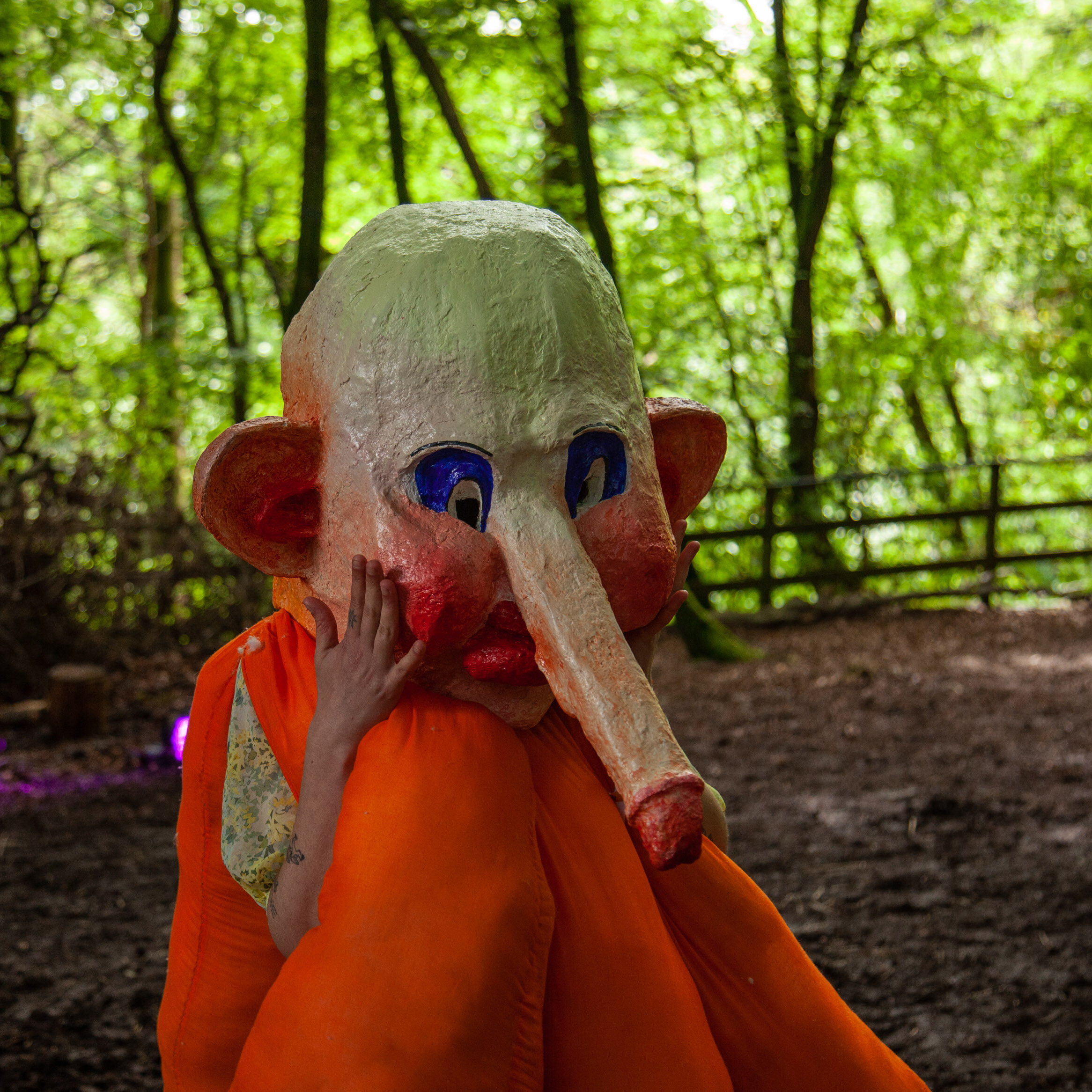
Beginning at Stills and concluding at Inspace, participants are invited to convene at Stills for a practical workshop facilitated by Felicity Hammond to collaboratively assess, sort, and reconfigure materials in order to design and produce costumes and props for the procession. Responding conceptually and materially to V4: Repository and using its processes of archiving, categorising, and recontextualising as a framework for collective making.
Participants will work with an assortment of found, discarded and functional materials that form an improvised archive (participants encouraged to bring materials). Through acts of sorting, grouping and labelling materials will be evaluated for their symbolic, aesthetic, and performative potential before being transformed into wearable garments and processional objects.
Aims
To foster a critically and creatively engaged response to v4: repository, drawing on its exploration of archives, repositories, digital residue, and material tracing.
To explore themes of loss & decay and how these can be communicated through material form.
To combine photographic practice with performance, design and sculpture.
To consolidate assessing, sorting, and archiving materials together as a creative act that parallels photographic/archival processes.
Event Details
Audience: Please note this workshop is for students from Edinburgh College of Art, who are interested in photography, sculpture, performance, costume, and interdisciplinary practices. No prior experience with costume-making or performance is required. Members of Stills volunteer team will be on hand to support participants and assist facilitation.
Venue Access features: All areas of the building are fully accessible by wheelchair including lifts and toilets. Guide dogs are welcome.
If you have any enquiries about Inspace programming and the venue, please contact us at designinformatics@ed.ac.uk.
Running order
13:30 – 14:00 Meet at Stills for a walkthrough of the exhibition and to explore the archives within, followed by a discussion considering the movement of physical archives into the digital space and the parallels of the artist archive and data repositories. 14:00 – 14:45 Work collectively to sort, classify, and assess a shared pool of materials, treating this process as a creative and critical exercise. Identify materials for their symbolic, functional, and performative potential. 14:45 – 15:00 Comfort break and check-in (Tea & Coffee/snacks provided) 15:00 – 16:00 Design and create garments and handheld props using selected materials. Discussion prompt when making/focus working: Experimenting with movement/chants and collective ‘togetherness’ to form a collective procession. 16:00 – 16:20 Clean up/adorning garments and props. 16:30 – 17:00 Leave Stills adorned in the created garments and props, and perform a procession through Edinburgh’s Old Town, ending at Inspace.
Please note this event will be filmed and photographed by Stills, Photoworks, Design Informatics and invited Press – Video and Photographs will be used for future marketing, promotional, reporting and archival purposes. If you would prefer not to be filmed or photographed, please let us know at the event.
More about Facilitators
Felicity Hammond is an artist and educator based in South London. She is a senior lecturer on the MA Photography programme at Kingston University. Recent solo exhibitions include V3: Model Collapse at The Photographers’ Gallery, London and V4: Repository at Stills, Edinburgh. Hammond has exhibited her work in group exhibitions at museums and galleries internationally including Fotomuseum Winterthur, VOX Centre de l’image Contemporaine Montreal, Higher Pictures New York and Saatchi Gallery London, amongst others. She has worked on a number of high profile public art works, including a site-specific work for Photo 2021 Melbourne, Australia and a large scale installation for Colchester and Ipswich Museum, UK. Her work has received and been nominated for a number of awards, including being the recipient of the Ampersand Photoworks Fellowship, 2023.
Ot Pascoe is a visual artist based in Edinburgh. With a broad interdisciplinary practice exploring storytelling and worldbuilding, their work weaves together illustration, broadcasting, wearable sculpture, event production and community work. Previously a Director of artist-run gallery Sett Studios, and currently a breakfast radio broadcaster at community radio station EHFM, Ot has exhibited in Edinburgh and London, collaborated with renowned galleries and festivals, and has been nominated for a World Illustration Award.
Data Protection Statement
How we use and store your data – In providing this information, you are giving explicit consent for us to use your data in our programme and event monitoring, reporting and evaluation processes. The data is managed confidentially. Your data will be collected and held by the Institute for Design Informatics, University of Edinburgh (who operate Inspace) and held by the Institute and the BRAID programme (University of Edinburgh), it will also be shared with partner organisations for this event and the associated exhibition: Stills and Photoworks. Your data will only be reported or published in anonymous aggregated forms and will always be processed in accordance with the Data Protection Act 2018 and therefore also in accordance with the General Data Protection Regulation (GDPR).
Data retention period: We will hold this information for a maximum period of 5 years from the date of the event, after which it will be disposed of.
Opt out: If you do not wish to share your information, or would like to modify your consent to collection and processing of personal information, please email us at: designinformatics@ed.ac.uk
We are excited to share our newly refreshed logo and branding which has been reimagined and redesigned in collaboration with graphic designer and DI PhD candidate Billy Franks.
As the starting point for this refreshed design our approach was to lean into the unique and progressive architecture of Inspace and the digital, technology and data driven works that we platform, as the inspiration. The design process included experimentation with organic shapes, angles and curves to reflect the many screens, surfaces, and levels that characterise Inspace.
Inclusion and accessibility are central to Inspace and Design Informatics’ values and vision. To ensure this translated to this logo refresh, we incorporated into design process a review of Inspace typography, to improve visibility and readability of not only our logo but to also how our typography is applied across communications.
Inspace now plays a central role in Design Informatics public engagement and collaborative work with creative practitioners and artists, and you can check out the Inspace updated vision statement to find out more about the space, our approach and the work it enables. The resulting logo seeks to represent this vision and the journey of Inspace, and its role, past, present and future, as a unique collaborative hub and venue for engaging communities with technology and data in new and evolving ways.
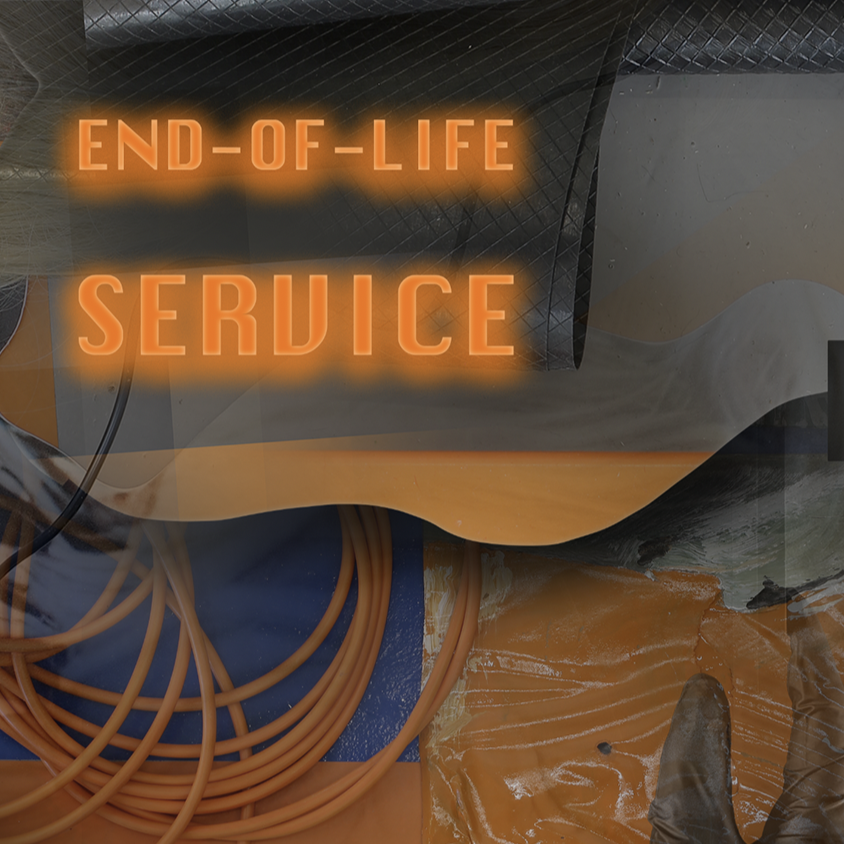
We are delighted to announce END-OF-LIFE-SERVICE event programme which will run across the afternoon and evening of 29th January 2026 to mark the final month of Stills’ current exhibition Felicity Hammond – V4: Repository.
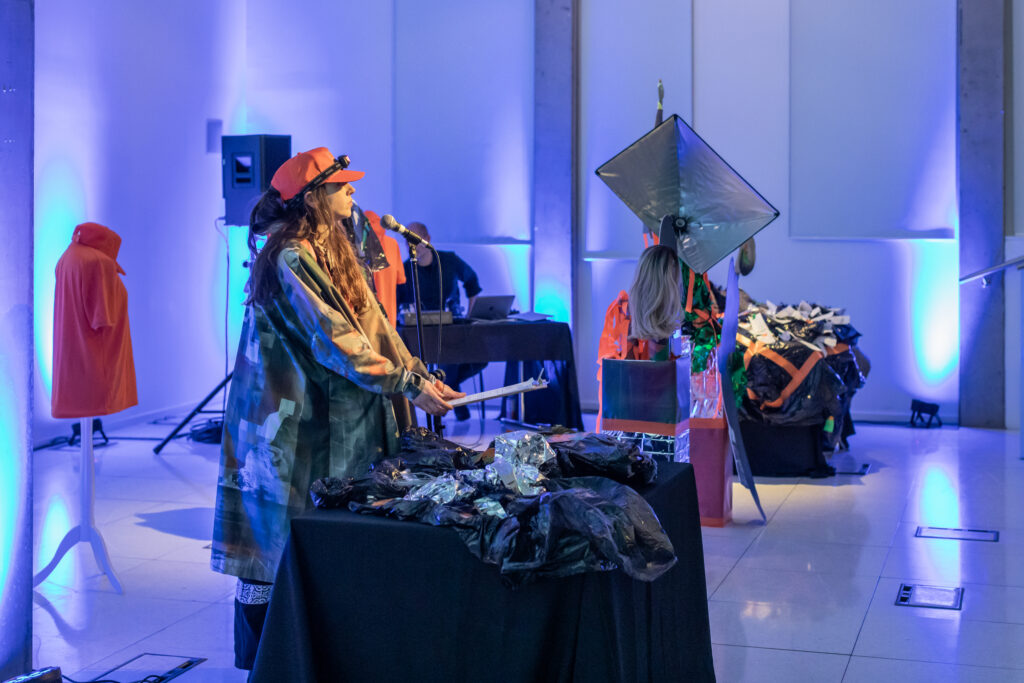
Stills and Photoworks, in collaboration with BRAID (Bridging Responsible AI Divides), and Inspace, will host this experimental and playful event, marking the imagined end of Artificial Intelligence through a funeral procession and an early-evening wake. Join us as we reflect on all that we have gained and all that we have lost through the passing of AI, with opportunities to create and share your own eulogies.
The event marks both the declared end-of-life of Artificial Intelligence and the final month of Stills’ current exhibition Felicity Hammond – V4: Repository – the final iteration of the artist’sVariations series, commissioned through the Ampersand/Photoworks fellowship.
Felicity Hammond: END OF LIVE SERVICE, is a two-part event beginning with a procession, led by Edinburgh based visual artist Ot Pascoe and Felicity Hammond, with live music accompaniment from musicians including members of Golden Grooves Street Collective, from at Stills (23 Cockburn St, Edinburgh EH1 1BP), inviting participants to convene in the gallery to join this procession and concluding at Inspace for the wake portion of the evening (1 Crichton Street, Edinburgh, EH8 9AB).
Upon arrival at Inspace, the procession will move through the venue, Felicity Hammond’s full updated service report will be read aloud, whilst the objects are brought in to be placed and displayed in the exhibition space.
This will be accompanied by a SAIéance, a performance by Jules Rawlinson, exploring machine learning as media and spiritualist medium, where uncanny voices are summoned from the ghosts in the machine through an improvisation with feedback networks of neural style transfer audio processing using freely available vocal models. Ushers will hand out an order of service to all in attendance, outlining the evening.
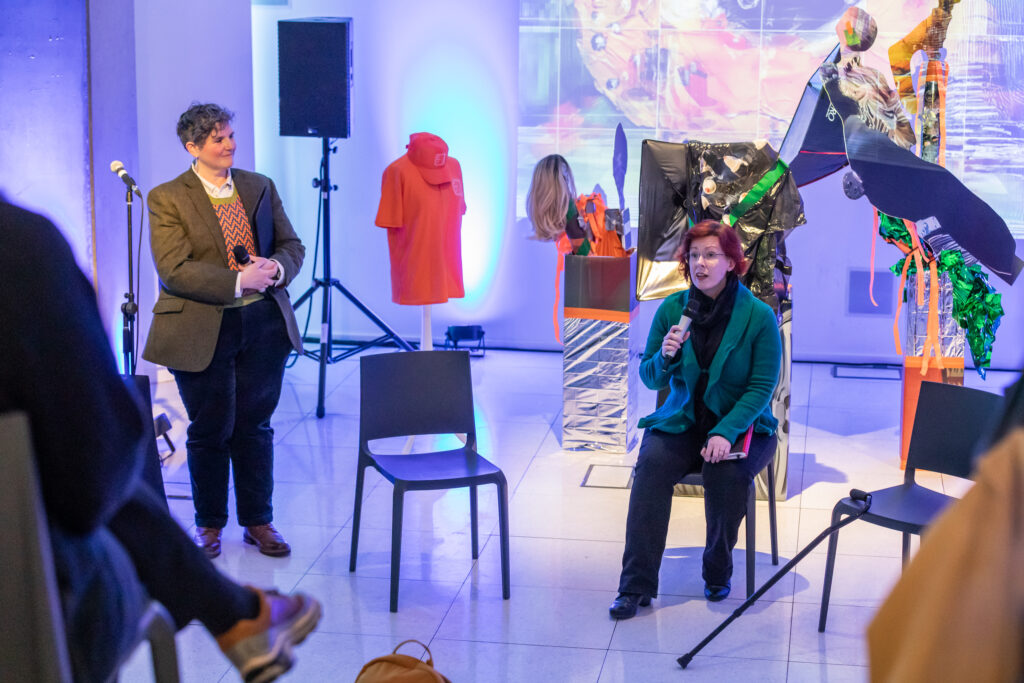
On conclusion of the service report reading and laying down of physical tributes, the celebrant, Nicola Osborne, will invite all attendees to take refreshments and to meet and connect with each other ahead of sharing memories of AI, in all its rich complexity.
Felicity Hammond: END-OF-LIFE-SERVICE
Experimental and playful event marking the imagined end of Artificial Intelligence
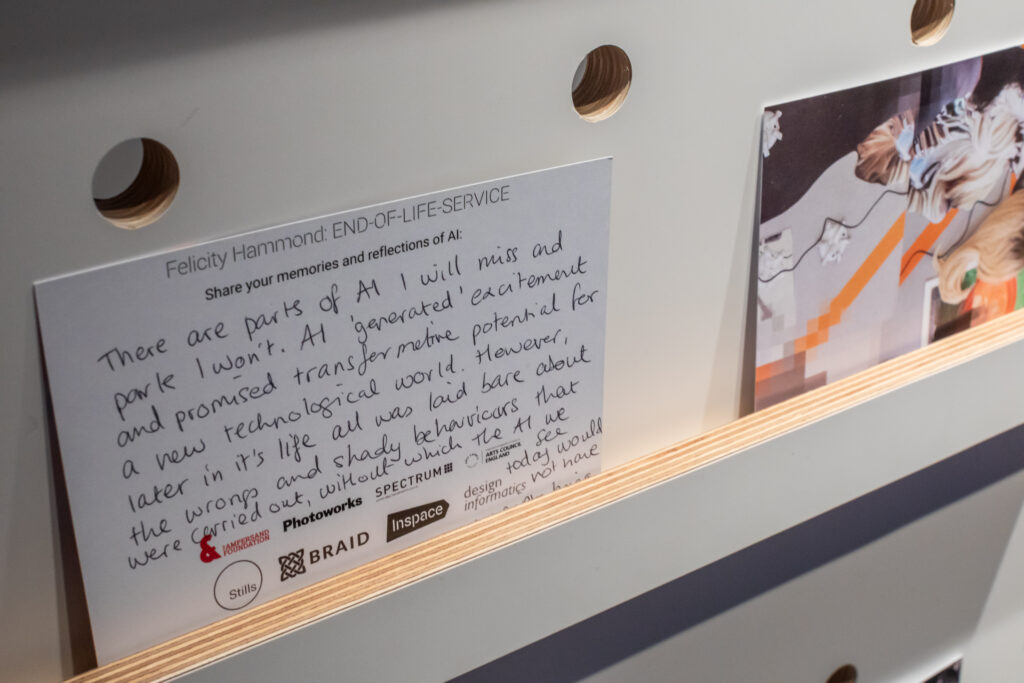
The wake will begin with Alex Taylor and Felicity Hammond, with shared reflections on that which is lost with AI, and perhaps how AI might be reborn in more limited and humanely grounded form. The celebrant will then encourage all participants to take time to reflect on their own memories and experiences of AI, and to write their own eulogies with provided paper and pens. Participants’ eulogies may then be shared with the group through spoken word, through a wall of remembrances, or they may be held personally and taken away with the participants as they reflect on their own relationship to AI.
The event will close with the sharing of participant eulogies, including invited reflections and from those who wish to step up on the day. The event will be closed by the celebrant and Felicity Hammond, with thanks given to all. A book of remembrances will also be available at the door as mourners leave, in case they wish to leave further comments.
Music accompaniment will take place throughout the event, drawing on the works co-created with AI to mark its own passing. Visual memories of the deceased, from Felicity Hammond’s Variations, will be presented throughout. No flowers are to be sent.
Tickets are free and available for the procession or the wake or both (see ticketing below).
Event Details
Procession
Date: Thurs 29 Jan 2026 Time: 16:30-17:00 | Free/Ticketed Location: Stills, 23 Cockburn St, Edinburgh EH1 1BP (please gather in the gallery) Duration: Approx. 30mins Event organiser/contact: Stills
Felicity Hammond– Artist, educator and senior lecturer at Kingston University Ot Pascoe– Visual artist based in Edinburgh Alex Taylor – Sociologist at the Institute of Design Informatics, University of Edinburgh Nicola Osborne – BRAID Creative Industries Lead, University of Edinburgh
This event has limited capacity and so registration is preferred. Participants with tickets are guaranteed entry. If you have any enquiries about the events and venues, please contact event organisers at info@stills.org or designinformatics@ed.ac.uk
Venue Access features: Accessible toilets, Assistance dogs welcome, Baby changing facilities, Seating, Step-free access, Wheelchair accessible Audience: This event welcomes creatives from any disciplinary background and members of the public interested in topics around AI and responsibility. Trigger Warning: The structure for this event is inspired by the format of a procession followed by a wake. This event seeks to be playful in its response, however, the event experience might bring up unexpected emotions relating to death or loss and attendees are advised to be aware of this and if they start to feel overwhelmed at any point, to feel free to move away or take space – part of the event space will be set-up as a quiet reflective space.
Please note this event will be filmed and photographed by Stills, Photoworks, Design Informatics and invited Press – Video and Photographs will be used for future marketing, promotional, reporting and archival purposes. If you would prefer not to be filmed or photographed, please let us know at the event.
Running Order
16:30 – 17:00 The Procession begins at Stills, attendees are invited to join the performed procession through Edinburgh’s Old Town, ending at Inspace. 16:45 – 17:00 Inspace Doors Open for those joining the wake only 17:00 – 17:10 Arrival at Inspace by procession 17:10 – 17:35 Laying down of artefacts, reading of Service Report 17:35 – 17:45 Formal welcome by celebrant 17:45 – 18:00 Refreshments and comfort break 18:00 – 18:20 Celebrant and invited speakers share their reflections 18:20 – 18:40 Opportunity to write your own short eulogies to AI 18:40 – 19:15 Sharing of memories, led by invited eulogies. 19:15 – 19:30 Formal closing of event by celebrant and Felicity
More about Speakers and Performers
Felicity Hammond is an artist and educator based in South London. She is a senior lecturer on the MA Photography programme at Kingston University. Recent solo exhibitions include V3: Model Collapse at The Photographers’ Gallery, London and V4: Repository at Stills, Edinburgh. Hammond has exhibited her work in group exhibitions at museums and galleries internationally including Fotomuseum Winterthur, VOX Centre de l’image Contemporaine Montreal, Higher Pictures New York and Saatchi Gallery London, amongst others. She has worked on a number of high profile public art works, including a site-specific work for Photo 2021 Melbourne, Australia and a large scale installation for Colchester and Ipswich Museum, UK. Her work has received and been nominated for a number of awards, including being the recipient of the Ampersand Photoworks Fellowship, 2023.
Nicola Osborne (they/them) is Creative Industries Lead for BRAID (phase 2), Manager of the Institute for Design Informatics and they work on large-scale creative industries innovation, technology and policy projects. Their work particularly focuses on ethical and inclusive practices, leading on equality, diversity and inclusion for CoSTAR Realtime Lab and the Designing Responsible Natural Language Processing Centre for Doctoral Training. Nicola managed Creative Informatics (2018-24) and the connected Creative AI project (2022-4), supporting creatives to do innovative work with data, including supporting SMEs with their own R&D ethics. Nicola is co-editor of Data Driven Innovation in the Creative Industries (Routledge 2024) and an experienced speaker who has also been sharing their research at the Edinburgh Fringe as part of The Provocateurs/the Cabaret of Dangerous Ideas, since 2012.
Ot Pascoe is a visual artist based in Edinburgh. With a broad interdisciplinary practice exploring storytelling and worldbuilding, their work weaves together illustration, broadcasting, wearable sculpture, event production and community work. Previously a Director of artist-run gallery Sett Studios, and currently a breakfast radio broadcaster at community radio station EHFM, Ot has exhibited in Edinburgh and London, collaborated with renowned galleries and festivals, and has been nominated for a World Illustration Award.
Jules Rawlinson is a composer and improviser that works with electronic sounds and digital visuals in solo and collaborative settings to explore performance practices with live electronics across a range of different themes, materials and processes. He is a Senior Lecturer in the Reid School of Music at Edinburgh University. For more information visit
Alex Taylor is a sociologist by training, with longstanding commitments to critically investigating and intervening in the proliferation of technology and machine intelligence. His work has been shaped most heavily by a critical yet hopeful scholarship in feminist technoscience, including works from Ruha Benjamin, Simone Browne, Vinciane Despret, Donna Haraway, and Anna Lowenhaupt Tsing. He’s currently a Reader in Design Informatics at the University of Edinburgh and an AHRC BRAID Fellow, and co-runs the Critical Data Studies Cluster at the Edinburgh Futures Institute. He is also a Fellow of the RSA and holds visiting roles at the University of Sweden and City, University of London.
Gallery
Photography by Chris Scott
Data Protection Statement
How we use and store your data – In providing this information, you are giving explicit consent for us to use your data in our programme and event monitoring, reporting and evaluation processes. The data is managed confidentially. Your data will be collected and held by the Institute for Design Informatics, University of Edinburgh (who operate Inspace) and held by the Institute and the BRAID programme (University of Edinburgh), it will also be shared with partner organisations for this event and the associated exhibition: Stills and Photoworks. Your data will only be reported or published in anonymous aggregated forms and will always be processed in accordance with the Data Protection Act 2018 and therefore also in accordance with the General Data Protection Regulation (GDPR).
Data retention period: We will hold this information for a maximum period of 5 years from the date of the event, after which it will be disposed of.
Opt out: If you do not wish to share your information, or would like to modify your consent to collection and processing of personal information, please email us at: designinformatics@ed.ac.uk